If you need a baby monitor for foster parents who navigate frequent placement changes, the answer is almost always a portable, battery-powered, no-WiFi unit that pairs directly to its own handheld screen. These travel-ready monitors set up in under five minutes at any home, work without router credentials, do not require cloud accounts tied to a single household, and protect the privacy of the children in your care. In 2026, the best baby monitor for foster parents balances long battery life, durable construction, simple re-pairing, and a price low enough that replacing or duplicating units between placements does not strain your stipend.
This guide ranks the strongest portable picks, plus two smart-camera options for foster families with stable, long-term placements. Each recommendation is judged against the realities of foster care: short-notice moves, varied housing situations (kinship homes, respite stays, transitional apartments), unpredictable Wi-Fi access, and the privacy expectations agencies often impose on shared video data.
Why Foster Parents Need a Different Kind of Baby Monitor
Top Picks
![Portable Baby Sound Machine [White Noise for Babies Kids Adults][Timer Function][12 Soothi](/aimg/images/I/612-i8iioGL._AC_SL300_.jpg)
Standard Wi-Fi cameras are designed for a single nursery in a single home. That model breaks down quickly in foster care. A child might arrive at 11 p.m. and need a safe sleep setup before midnight. A respite placement may last 72 hours. A reunification visit may move the baby to a relative's house every weekend. In each case, a monitor that requires a phone app, a 2.4 GHz router login, a firmware update, and a cloud account is the wrong tool.
A good baby monitor for foster parents instead behaves like a walkie-talkie with a camera: charge it, plug in the camera, turn on the parent unit, and it works. No accounts. No data trail. No router required. This matters not just for convenience, but for compliance—many state foster agencies and Indian Child Welfare cases have rules about photographing or recording children in care, and locally paired (FHSS or DECT) monitors keep video off the cloud entirely.
Quick Comparison: Top Baby Monitors for Foster Placements in 2026
| Model | Wi-Fi Required? | Battery Life | Best For | Portability |
|---|---|---|---|---|
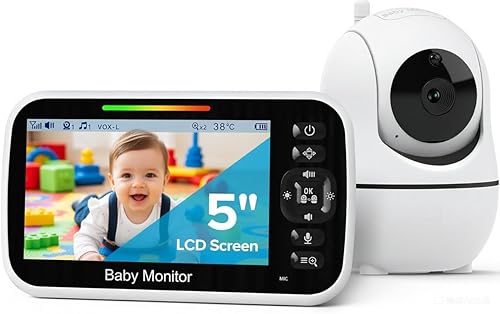
| HelloBaby No-WiFi 5-inch PTZ | No | 30 hours | Most foster placements | Excellent |
| HelloBaby 5-inch, 2 Cameras | No | 30 hours | Sibling groups or twins | Excellent |
| GoodBaby No-WiFi PTZ | No | Up to 20 hours | Budget go-bag monitor | Excellent |
| Nanit Pro Smart Monitor | Yes | N/A (plug-in) | Long-term placements | Limited |
| Owlet Dream Duo (Gen 3) | Yes | N/A (plug-in) | Medically complex infants | Limited |
Best Overall Baby Monitor for Foster Parents in 2026
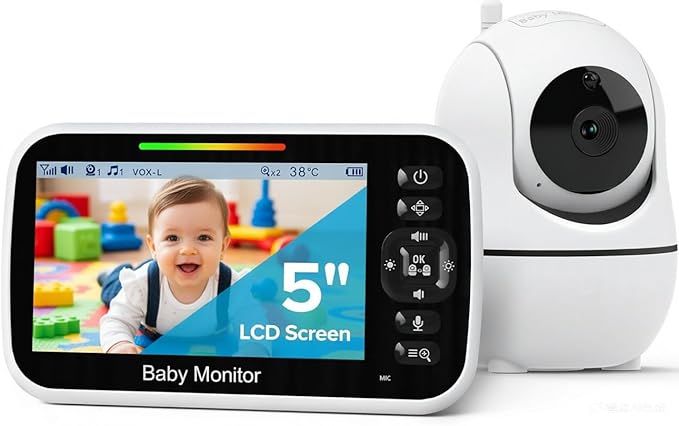
HelloBaby No-WiFi Baby Monitor, 5-inch, 30-Hour Battery, PTZ
This is the model we recommend first to any newly licensed foster home. The HelloBaby No-WiFi unit pairs the camera to its own dedicated 5-inch parent screen using a closed FHSS radio link—no internet, no app, no account. That single design choice solves nearly every problem a foster placement creates. When a child arrives, you unbox or unpack the unit, plug the camera into any outlet near the crib or pack-n-play, turn on the parent screen, and you are monitoring within minutes. The 30-hour battery on the parent screen is genuinely useful: it covers an overnight power outage, a hotel stay during emergency placements, and the inevitable scramble to find a charger after a move. Pan-tilt-zoom on the camera means you can re-aim remotely without entering the room—important when a child is finally asleep after a stressful intake. Check current price on Amazon.
Best Monitor for Foster Sibling Groups or Twins
HelloBaby 5-inch Baby Monitor, 2 Cameras, 30-Hour Battery
Foster placements often arrive as sibling sets, and agencies actively prioritize keeping brothers and sisters together. A single-camera monitor will not cover two cribs in separate rooms, and buying two complete monitors means juggling two parent screens. The HelloBaby 2-camera kit solves this with one parent display that cycles between both cameras automatically or splits the screen. It uses the same no-Wi-Fi FHSS pairing as the single-camera version, so the privacy and portability benefits carry over. Battery life remains at 30 hours, which matters when you are trying to keep eyes on two children during a long car transition or a court date that runs into the evening. If you tend to accept sibling placements, buy this one first—it is cheaper than two single-camera systems and removes a second device from your go-bag. View on Amazon.
Best Budget Baby Monitor for Foster Parents
GoodBaby Baby Monitor with Camera & Audio, No WiFi, PTZ
Many foster families end up needing more than one monitor: one for the primary placement bedroom, one stashed in a go-bag, one loaned to a respite caregiver. Buying three Nanits would be unreasonable; buying three GoodBaby units is not. The GoodBaby no-Wi-Fi PTZ camera offers the same locally paired radio architecture as the HelloBaby models at a noticeably lower price point. Pan-tilt-zoom, infrared night vision, two-way talk, and temperature display are all included. The build quality is lighter than the HelloBaby, but for short-term placements, respite weekends, or as a redundant unit in a kinship caregiver's home, it more than earns its place. See the GoodBaby on Amazon.
![Portable Baby Sound Machine [White Noise for Babies Kids Adults][Timer — Our recommended configuration for best results](https://nurserygadgets.com/aimg/images/I/612-i8iioGL._AC_SL500_.jpg)
Best Smart Monitor for Long-Term Foster Placements
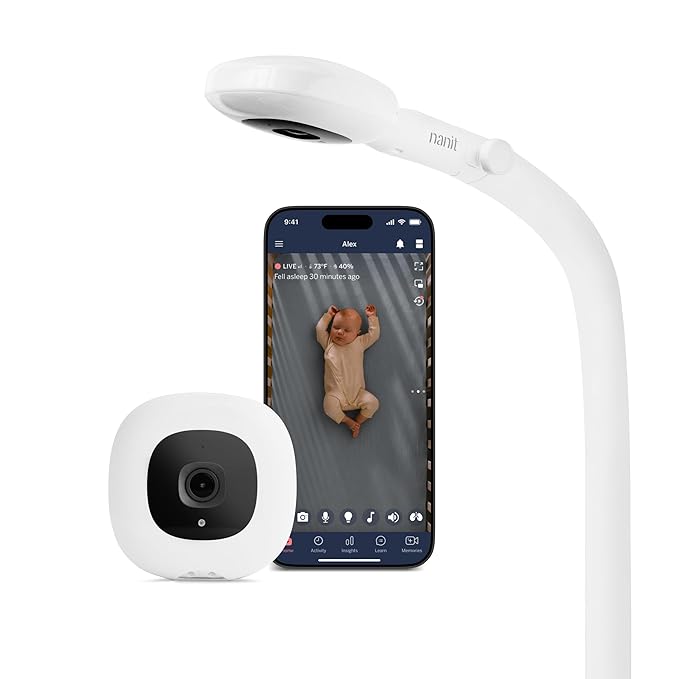
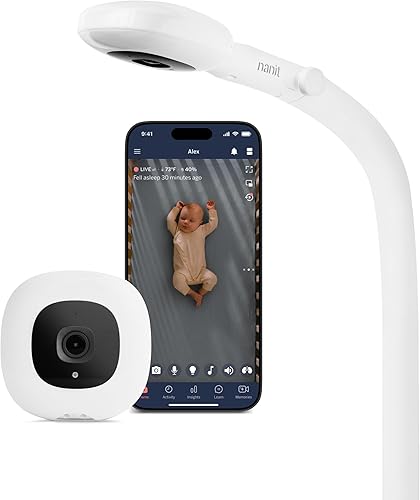
Nanit Pro Smart Baby Monitor, Camera & Floor Stand, 1080p
If a placement has stabilized—the child has been with you 6+ months, the case plan is moving toward guardianship or adoption, and you are settling into a regular nursery—you may finally want the developmental features a smart monitor provides. The Nanit Pro tracks sleep patterns, logs breathing motion through the swaddle band, and produces overnight summaries that are genuinely useful for pediatrician appointments. Foster parents handling drug-exposed newborns or medically fragile infants frequently report that having documented sleep and breathing data helps when explaining concerns to caseworkers and doctors. The Nanit does require Wi-Fi and an account, so we do not recommend it as a foster family's first monitor—but it is an excellent second-stage upgrade. Check the Nanit Pro on Amazon.
Best Monitor for Medically Complex Foster Infants
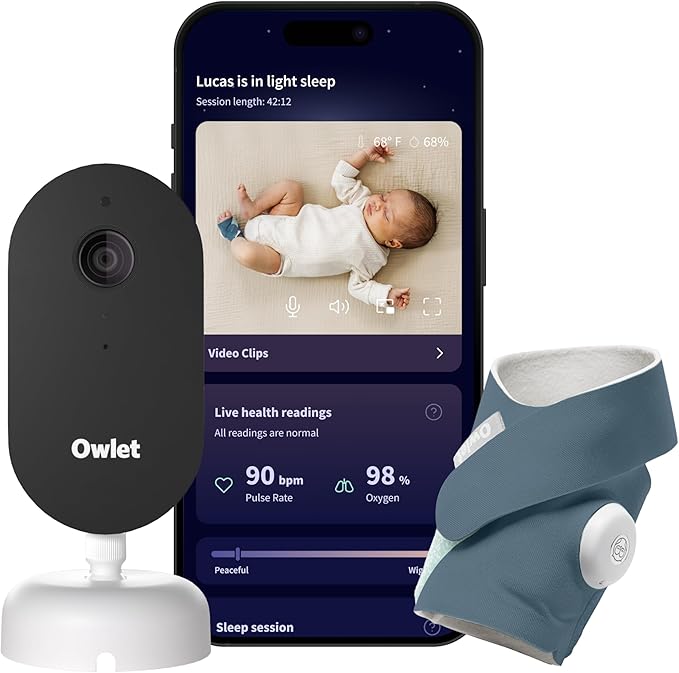
Owlet Dream Duo (Gen 3) Smart Baby Monitor, 2K HD Video
Foster placements often include infants with NICU graduate status, neonatal abstinence syndrome, or undiagnosed conditions inherited from prenatal exposure. For those cases, the Owlet Dream Duo bundles a 2K camera with the Owlet Dream Sock, which tracks heart rate, oxygen, and sleep state. While the sock is not a medical device, the additional data point provides reassurance during high-anxiety placements and a clear record for medical visits. Like the Nanit, it requires Wi-Fi and an account, so this is a stable-placement tool, not a go-bag tool. View the Owlet Dream Duo on Amazon.
What to Look For in a Baby Monitor for Frequent Placement Changes
When evaluating any baby monitor for foster parents, prioritize these features in order:
- No-Wi-Fi pairing. A closed radio link means setup takes minutes and works in any home, including grandparents' houses with no broadband.
- Battery-powered parent unit. 20+ hours of standby is essential for overnight transitions and emergency placements.
- Pan-tilt-zoom. Lets you reposition the view without entering the room and waking a child who just finally settled.
- Two-way talk. Helpful for older toddlers who may be in foster care and need verbal reassurance from a new caregiver.
- Compact form factor. The whole kit needs to fit in a go-bag alongside a portable crib, diapers, and clothing.
- Privacy by design. No cloud uploads, no facial recognition, no shared accounts. This protects the child's record and complies with most agency policies.
For more guidance on agency-friendly equipment, see our companion guides on the best no-Wi-Fi baby monitors and portable baby monitors for travel.
Setup Tips for New Placements
Treat the monitor as part of your intake checklist. Keep the parent unit charged at all times, store the camera and power adapter in a labeled pouch inside your placement go-bag, and re-test pairing once a month so you are confident it will work the night a child arrives. If you use multiple monitors across placements, label each parent screen and camera with matching colored tape—FHSS pairing is locked at the factory but having a visual match saves frustration. For agencies that require photo documentation of safe-sleep conditions, take a photo of the crib with the monitor visible during intake and store it in your placement file.
Frequently Asked Questions
Do foster parents have to ask permission before using a baby monitor?
In most states, no—video monitors used for direct supervision of a child in your care fall under standard parental duties and do not require additional consent. However, you should avoid uploading footage to cloud services, sharing it on social media, or recording biological parents during visits. When in doubt, ask your licensing worker. Choosing a no-Wi-Fi monitor sidesteps most of these concerns because nothing is recorded or transmitted off-device.
Can I bring my baby monitor with me to a placement at a relative's home?
Yes, and you should. Bringing your own monitor to kinship caregivers during respite or transition periods is one of the most useful things you can do. Closed-radio monitors like the HelloBaby and GoodBaby units do not need the host home's Wi-Fi, so setup is instant. Many foster parents keep a dedicated "loaner" GoodBaby in their go-bag for exactly this purpose.
What is the best baby monitor for emergency overnight placements?
For emergency placements that arrive after hours, the HelloBaby No-WiFi 5-inch PTZ is the standout choice. The 30-hour parent-unit battery means you can have the monitor running before you even unpack a charger, and the closed radio link works regardless of whether your home Wi-Fi is configured for the new device.
Are smart baby monitors like Nanit and Owlet appropriate for foster care?
They can be, but only for stable, long-term placements where the case plan has clearly moved past reunification. The cloud account, video history, and biometric data these devices generate create a digital record of the child that may be inappropriate for short-term cases. For pre-adoptive or guardianship situations, both the Nanit Pro and Owlet Dream Duo are excellent. For new or short-term placements, stay with no-Wi-Fi monitors.
How many baby monitors should a foster family own?
Most experienced foster families end up with two: one primary monitor that lives in the nursery and one travel/backup monitor in the go-bag. Families licensed for sibling groups or multiple children often add a third. Buying two units from the same line (for example, two HelloBaby No-WiFi models) simplifies cables, chargers, and replacement parts.
What about used or hand-me-down monitors from other foster families?
Used closed-radio monitors are generally fine to accept and use, but always confirm the camera and parent unit are still paired and the batteries hold a charge. Avoid used Wi-Fi monitors—old firmware, retired accounts, and abandoned cloud services make them unreliable and a potential privacy risk.
Where should I place the monitor for a newly arrived child?
Mount or position the camera so it captures the full crib or pack-n-play from above and to one side, never directly over the child where it could fall. Keep the camera and any cords at least three feet from the sleep surface to comply with safe-sleep guidance. For more on safe placement and other nursery setup considerations, see our guide on monitors for households with multiple children.
Final Recommendation
For nearly every foster family, the right answer is the HelloBaby No-WiFi 5-inch PTZ monitor as the primary unit, paired with a GoodBaby No-WiFi PTZ as the go-bag backup. Together, the two cost less than a single smart monitor and cover every placement scenario—planned, emergency, kinship, or respite. Reserve the Nanit Pro or Owlet Dream Duo for the placements that turn into forever families, when the case is stable enough to justify a cloud account and a long-term setup. Whichever you choose, the best baby monitor for foster parents is the one already charged and waiting in the go-bag when the call comes.
Key Takeaways
- Choosing the right baby monitor for foster parents means matching capacity and output ports to your actual devices
- Always check actual watt-hours (Wh), not just watts — runtime depends on Wh, not peak output
- Also covers: portable monitor foster care
- Also covers: easy reset baby monitor foster
- Also covers: baby monitor multiple children foster
- Compare price-per-Wh across models to find the best value for your budget