For privacy-conscious parents weighing nanit pro vs eufy spaceview privacy tradeoffs in 2026, the short answer is this: the Nanit Pro is a cloud-connected Wi-Fi camera that streams encrypted video to Nanit's servers and stores analytics about your baby's sleep, while the Eufy SpaceView is a closed-circuit radio-frequency (FHSS) monitor that never touches the internet, has no app, and stores nothing in the cloud. If your top priority is keeping your nursery video off any company's servers, SpaceView wins on principle. If you want sleep insights, breathing-band tracking, and remote viewing while traveling, Nanit Pro is the more capable system but requires trusting their privacy posture.
Below we break down each monitor's data-handling model, what's encrypted versus stored, how Nanit's 2024-2025 privacy policy updates affect parents in 2026, and which alternative cameras give you a similar feature set with fewer cloud touchpoints. We'll also walk through three Amazon-available picks for parents who want zero-Wi-Fi peace of mind.
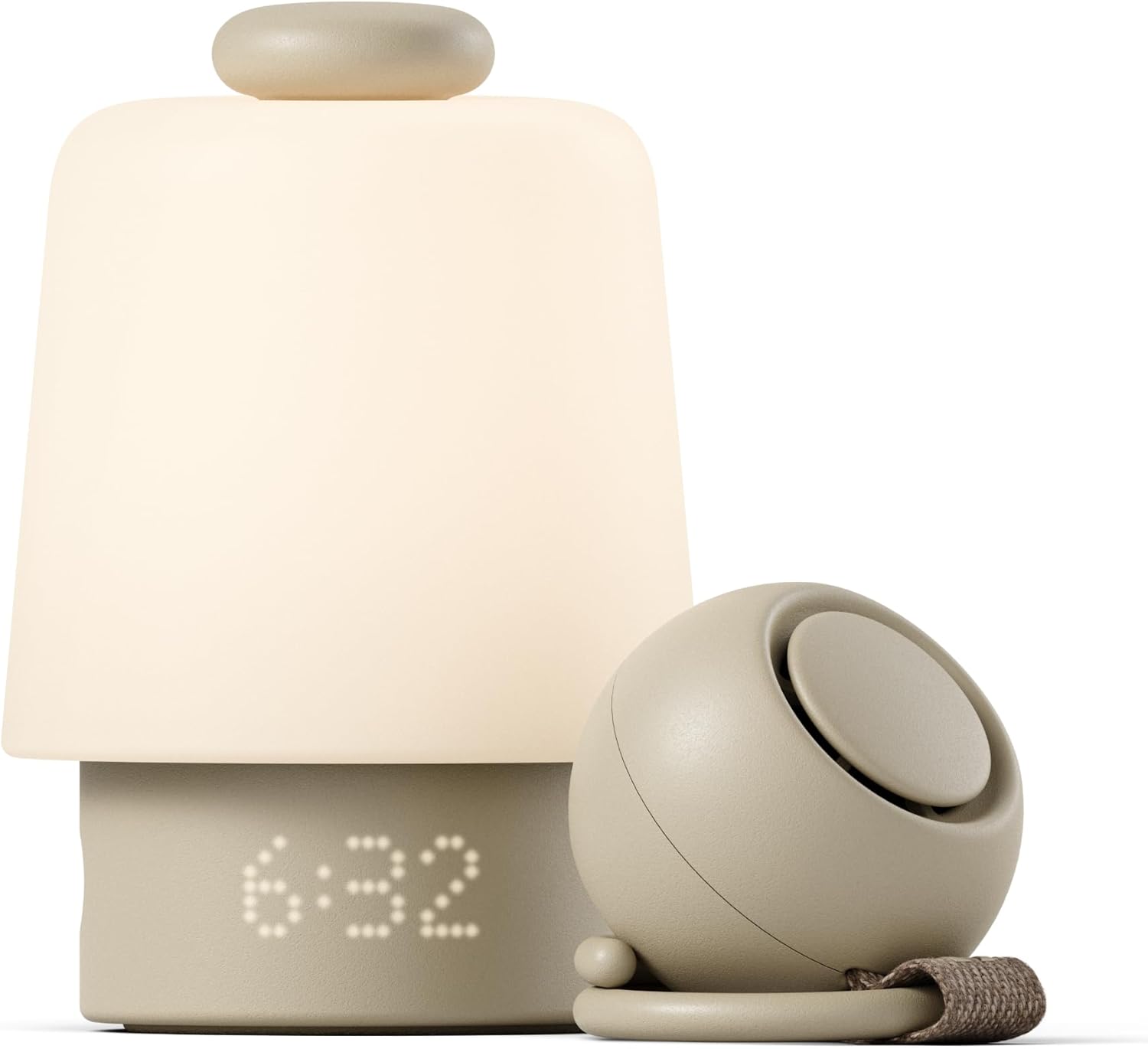
The core privacy difference between Nanit Pro and Eufy SpaceView
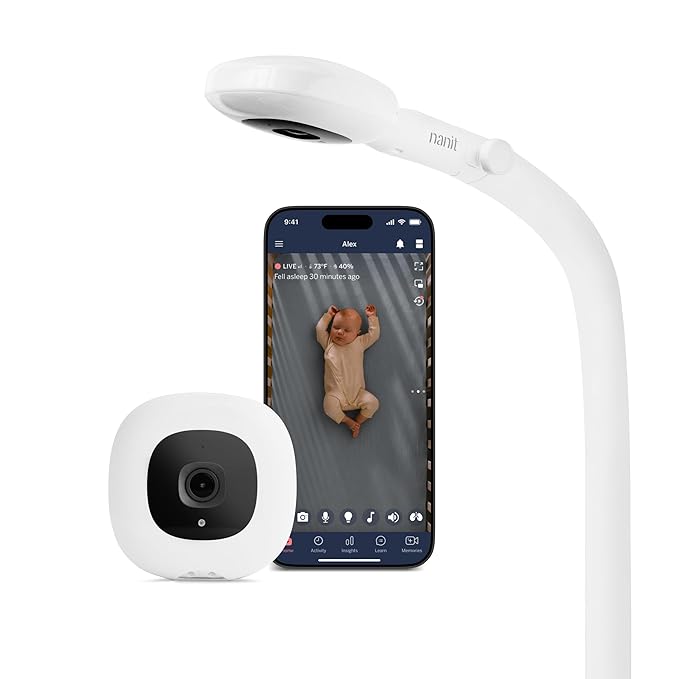
The nanit pro vs eufy spaceview privacy comparison really comes down to architecture, not policy. Nanit Pro is fundamentally an Internet of Things device: it pairs to your home Wi-Fi, streams video to Nanit's AWS-hosted backend, runs computer-vision sleep analytics in the cloud, and delivers the feed back to your phone through Nanit's app. Even when you view the video from the next room, the bitstream typically routes through their servers. Nanit publishes a SOC 2 Type II attestation and uses TLS in transit plus AES-256 at rest, but the data still exists outside your home network.
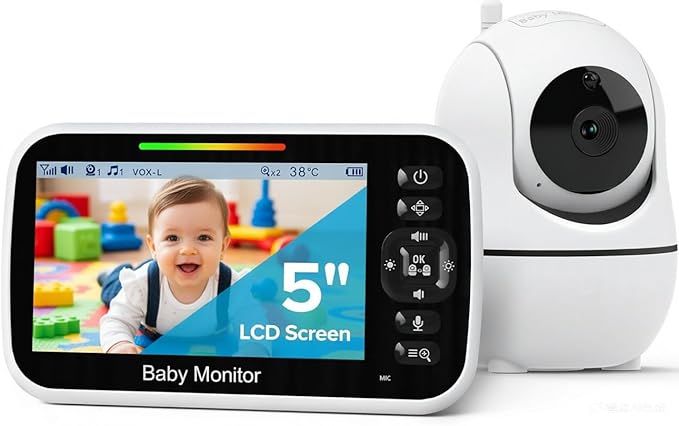
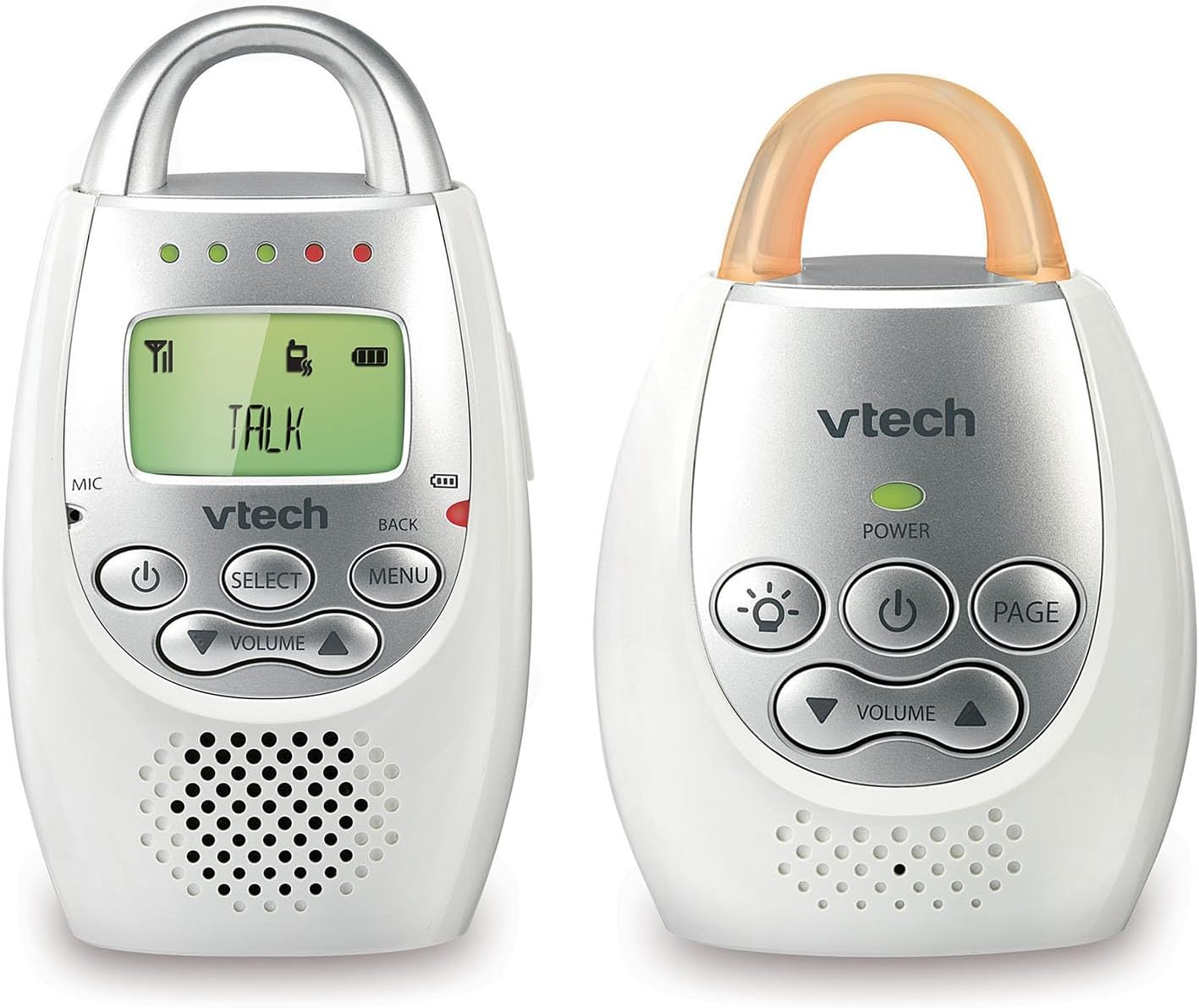
Eufy SpaceView takes the opposite approach. It's a dedicated parent-unit-to-camera radio link on 2.4 GHz FHSS (Frequency Hopping Spread Spectrum), the same general class of tech as cordless phones. There's no app, no router pairing, no cloud account, and no firmware that talks to anyone's servers. The video signal is digitally encoded and hops across channels, making casual interception far harder than analog baby monitors of the 2000s. Eufy (owned by Anker) had a well-publicized 2022-2023 incident involving its Wi-Fi-connected eufyCam line where thumbnails were uploaded unencrypted, but SpaceView's hardware was never part of that pipeline because SpaceView doesn't use Wi-Fi at all.
Side-by-side: privacy and feature comparison
| Factor | Nanit Pro | Eufy SpaceView |
|---|---|---|
| Connectivity | 2.4/5 GHz Wi-Fi + cloud | 2.4 GHz FHSS, no internet |
| Mobile app required | Yes | No (dedicated 5-inch parent unit) |
| Cloud video storage | Optional (paid Insights plan) | None |
| Analytics about your baby | Yes — sleep stages, motion, breathing | None collected |
| Encryption | TLS 1.2+, AES-256 at rest | Encoded RF, no IP layer to attack |
| Remote viewing while traveling | Yes | No (range ~1,000 ft line-of-sight) |
| Resolution | 1080p HD | 720p on 5-inch parent screen |
| Account required | Email + password | None |
| Third-party data sharing | Limited per published policy | Not applicable |
| Best for | Data-curious parents who want sleep insights | Parents who want zero cloud exposure |
What Nanit actually collects in 2026
Nanit's current privacy policy, refreshed in late 2025, discloses that the company processes video and audio from the camera, sleep and breathing analytics derived from that video, device telemetry (battery, Wi-Fi signal, firmware version), and account metadata. Live and recorded video is encrypted in transit and at rest. Importantly, Nanit states it does not sell personal data and does not use baby video to train third-party AI models. Sleep analytics are computed on Nanit's own infrastructure.
The realistic risks aren't sinister — they're structural. Any cloud service has a non-zero breach probability, employees with production access exist, and law-enforcement subpoenas can compel disclosure. For most families that tradeoff is acceptable for the convenience of seeing your baby from a hotel room. For families with stronger threat models (public figures, journalists, custody disputes, survivors of stalking), even a well-run cloud is a cloud.
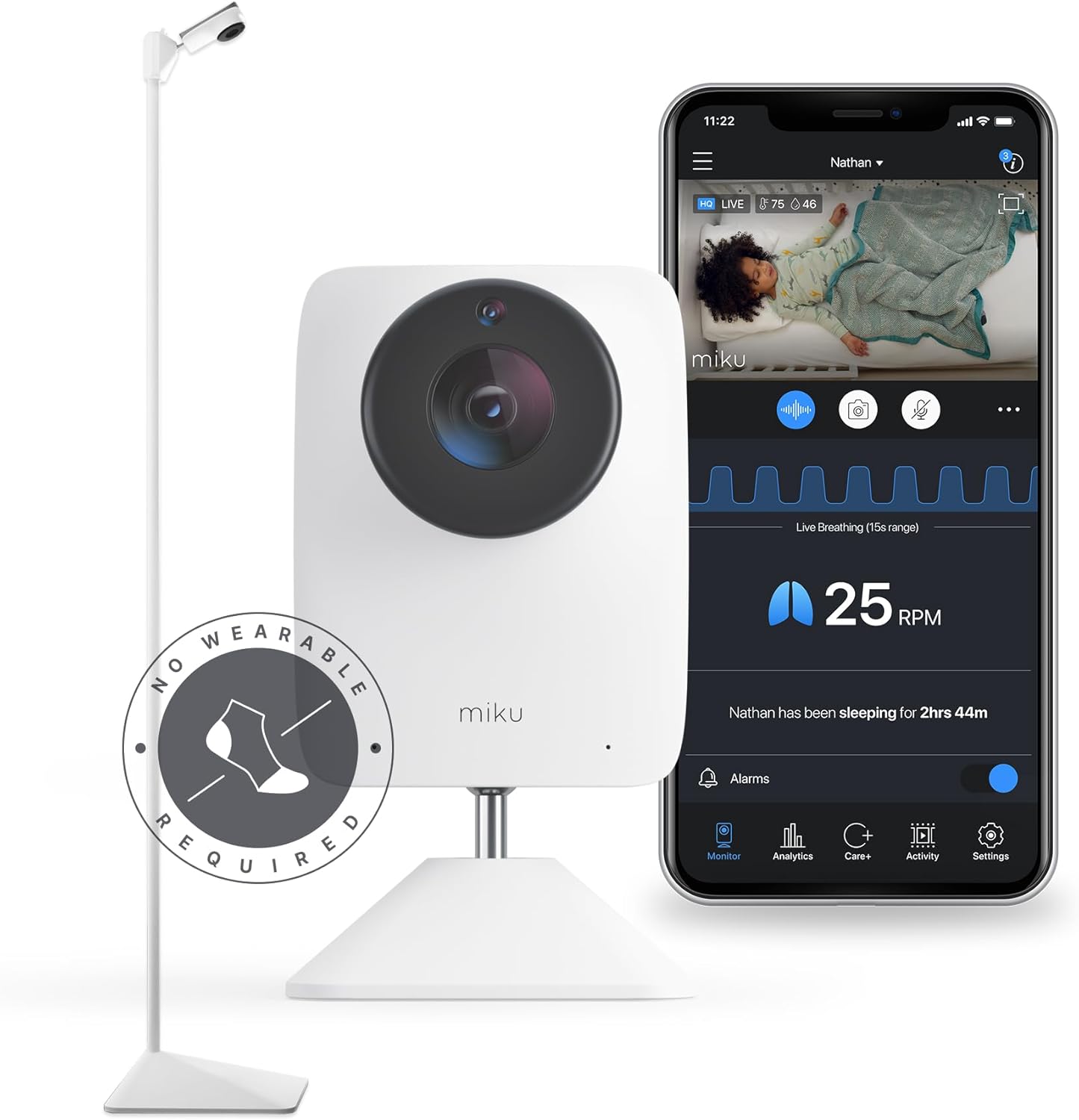
Nanit Pro Smart Baby Monitor, Camera & Floor Stand, 1080p
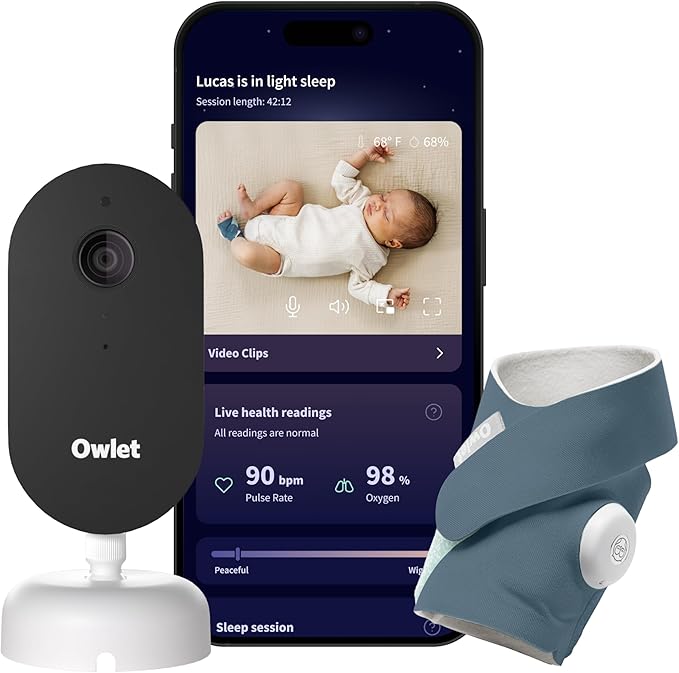
If you've weighed the tradeoffs and want the smart features, the floor-stand configuration of the Nanit Pro gives you the overhead view that powers their sleep analytics, plus two-way audio, temperature and humidity sensors, and integration with the Nanit Breathing Wear band (sold separately). Setup takes about 10 minutes and the camera is hardware-locked to your account, which actually helps if it's ever stolen. Check the Nanit Pro on Amazon.
What Eufy SpaceView does and doesn't do
SpaceView is a parent-unit-plus-camera kit with a 5-inch screen, pan/tilt/zoom, two-way talk, temperature display, lullabies, and roughly 12 hours of battery on the parent screen. It does exactly what monitors did before smartphones existed, just with a sharper digital screen and better range. Because there's no app, there's also no software update path beyond firmware delivered through the parent unit, no account to be breached, no third-party SDK pulling analytics, and no Wi-Fi credential stored on the camera.
The limits are real. You cannot check on your baby from work. You cannot share access with a grandparent across the country. You cannot get sleep-stage data, breathing alerts, or growth tracking. If those features matter, SpaceView isn't the right tool. If they don't, you're getting the most privacy-respecting setup currently on the market without going fully DIY.
Note: SpaceView has occasionally been out of stock through Amazon in 2026 as Eufy has shifted toward Wi-Fi cameras. If you can't find it, the alternatives below give you the same architectural model — local-only RF, no internet, no app.

Better-stocked alternatives with the same privacy posture
If SpaceView is unavailable or you want comparable hardware from manufacturers that focus exclusively on non-Wi-Fi monitors, three options stand out. All three use the same general approach: dedicated parent unit, RF link, no smartphone app, no cloud.
HelloBaby No-WiFi Baby Monitor, 5-inch, 30-Hour Battery, PTZ
HelloBaby is probably the closest direct substitute for SpaceView in 2026. The 5-inch model has remote pan, tilt, and 2x zoom, infrared night vision, two-way audio, and a parent unit battery that genuinely lasts 30 hours in audio-only mode (around 8 hours with the screen on). The FHSS radio link works without any router pairing, and there's no companion app at all — making the privacy story very simple to explain. View the HelloBaby PTZ monitor on Amazon.
HelloBaby 5-inch Baby Monitor, 2 Cameras, 30-Hour Battery
For families with twins, two nurseries, or a nursery plus a play area, the dual-camera HelloBaby kit pairs both cameras to one parent unit with split-screen or auto-rotate viewing. Same privacy model as the single-camera version: closed RF link, no app, no cloud. It's noticeably cheaper than buying two Nanit Pros and adding a second Insights subscription. See the dual-camera HelloBaby on Amazon.
GoodBaby Baby Monitor with Camera & Audio, No WiFi, PTZ
GoodBaby's no-Wi-Fi monitor is the budget pick if you simply want to verify the closed-circuit architecture without spending Nanit money. It offers remote pan/tilt, IR night vision, temperature display, lullabies, and VOX (voice-activated screen wake). The range claim is ~960 ft line-of-sight, which is more than enough for any typical home or apartment. Check the GoodBaby monitor on Amazon.
If you still want a smart monitor: hybrid alternatives
Some parents want the breathing-band feature or in-app sleep coaching but are uncomfortable with Nanit specifically. The Owlet Dream Duo (Gen 3) is the obvious comparison. It pairs a sock-based pulse-oximeter with a 2K Wi-Fi camera, runs analytics on Owlet's cloud, and has its own privacy policy. Owlet went through FDA clearance for its sock in 2023, which has tightened the data-handling rules that apply to its health metrics. It's not more private than Nanit by architecture, but it's a competing cloud you may prefer.
Owlet Dream Duo (Gen 3) Smart Baby Monitor, 2K HD Video
If you specifically want pulse oximetry and heart-rate tracking instead of breathing-band motion, the Owlet Dream Duo is the leading option in 2026. The sock fits 0-18 months and the camera offers 2K video, night vision, two-way audio, and room temperature. As with Nanit, your data lives on the manufacturer's servers, so this is a Nanit alternative, not a privacy upgrade. View the Owlet Dream Duo on Amazon.
Threat-modeling your nursery: a quick framework
Before you choose, ask three questions. First: who are you protecting against? A casual neighbor scanning for open cameras is a very different threat than a determined ex-partner or a corporate breach. RF monitors easily defeat the former; nothing defeats the latter if you're talking to anyone's cloud. Second: do you need remote access? If you travel for work or share viewing with a partner across town, you need Wi-Fi. If both parents are always in the home, you don't. Third: are you OK with a company having analytics about your baby's sleep? Nanit anonymizes and aggregates, but the data exists. SpaceView and its alternatives produce no such data.
For a deeper dive on the underlying tech, see our pieces on RF vs FHSS baby monitors, how baby monitor encryption actually works, and our broader best baby monitors of 2026 roundup.
Bottom line on nanit pro vs eufy spaceview privacy
If you want the smart features and trust Nanit's published controls, the Nanit Pro is the more capable monitor and a defensible choice. If your priority is keeping nursery video off any company's servers entirely, the Eufy SpaceView — or a HelloBaby or GoodBaby equivalent if SpaceView is sold out — is the structurally safer choice because it can't be breached over the internet. The right answer depends less on which brand has a better policy and more on whether you want a cloud in the loop at all.
Frequently Asked Questions
Can someone hack a Nanit Pro and see my baby?
It's extremely unlikely from a casual attacker because the feed is end-to-end encrypted with TLS 1.2+ and tied to your account. The realistic risk is a backend breach at Nanit or an account-credential leak from you reusing passwords. Use a unique, strong password and enable two-factor authentication in the Nanit app to close the most common attack vector.
Is the Eufy SpaceView signal really unhackable?
No signal is unhackable, but SpaceView is practically very hard to intercept. It uses 2.4 GHz FHSS digital encoding, which hops channels hundreds of times per second. You'd need specialized SDR equipment within roughly 100-300 feet of the camera and the technical skill to reconstruct the hop pattern. Compared to a Wi-Fi monitor exposed to the global internet, that's a dramatically smaller attack surface.
Does Nanit sell baby data or video to advertisers?
Nanit's current privacy policy states it does not sell personal information and does not share video with advertisers. It does process aggregated sleep statistics for product research and may share data with subprocessors (cloud hosting, analytics platforms, payment processors) under contract. Read the policy yourself before purchase — it's updated periodically.
Will a non-WiFi monitor work in a large house?
Yes, most FHSS monitors including SpaceView and HelloBaby claim 900-1,000 feet of range in open conditions and typically deliver 150-250 feet through multiple interior walls — enough for any two- or three-story home. Concrete walls, foil-backed insulation, and dense brick reduce range. If you live in a very large home with lots of obstructions, test the return window.
What about the eufyCam thumbnail incident from 2022 — does that affect SpaceView?
No. The 2022 incident involved Eufy's Wi-Fi-connected security cameras and the eufy Security app uploading notification thumbnails to cloud servers without clear disclosure. SpaceView is a non-Wi-Fi product with no app and no cloud component, so it was architecturally outside the affected pipeline. That said, the incident is a reasonable data point about Anker's overall data-handling judgment, which is one reason to consider HelloBaby or GoodBaby as alternatives.
Can I use Nanit Pro without the cloud features at all?
Not really. The Nanit Pro requires an active account and the app to function. You can decline the paid Insights subscription, which limits cloud video history and sleep analytics, but the live stream and basic features still route through Nanit's infrastructure. If you want a truly local-only setup, you need a non-Wi-Fi monitor.
Which monitor is best for parents who travel often?
Nanit Pro or Owlet Dream Duo, because both let you view your nursery from anywhere with a cell signal. SpaceView and the HelloBaby/GoodBaby alternatives only work within RF range of the camera, which means a caregiver at home needs the parent unit while you're away. Pick based on whether remote viewing matters more to you than cloud avoidance.
Key Takeaways
- Choosing the right nanit pro vs eufy spaceview privacy means matching capacity and output ports to your actual devices
- Always check actual watt-hours (Wh), not just watts — runtime depends on Wh, not peak output
- Also covers: most private baby monitor comparison
- Also covers: baby monitor no cloud storage
- Also covers: local storage baby camera nanit eufy
- Compare price-per-Wh across models to find the best value for your budget