Quick answer: The VTech VM5463 parent unit and camera both run on a 6V DC, 800mA wall adapter (center-positive). To run vtech vm5463 on sailboat 12v power, you cannot wire it directly to your house bank — you need either a 12V-to-6V step-down (buck) converter rated for at least 1A per device, a marine-grade USB charger feeding the parent unit's internal battery, or a small 12V-to-120V inverter powering the original wall warts. The parent unit's built-in lithium pack will run roughly 6–10 hours unplugged, so the goal is to top it up efficiently without spiking your DC bus or frying the camera.
Why the VM5463 needs special handling on 12V DC
Top Picks
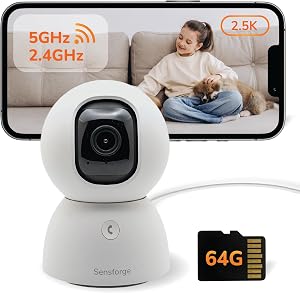
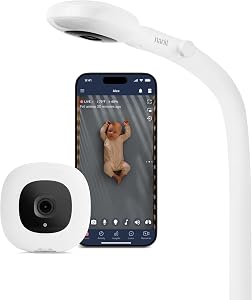
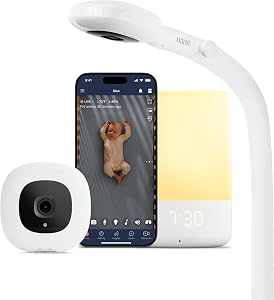
The VM5463 is a DECT 6.0 closed-circuit monitor, which is one of the best choices for offshore or coastal sailing because it does not need Wi-Fi, cellular, or any internet at all. The catch is the power supply. VTech ships it with a 6V DC adapter for the camera and a 6V DC adapter for the parent display. Your sailboat's house bank, whether a single Group 27 AGM or a 600Ah LiFePO4 setup, runs at a nominal 12.6–13.8V. Connecting the camera directly to that bus will exceed its input rating and almost certainly destroy the regulator on the first charge cycle when alternator or solar voltage climbs into the 14V range.
For anyone trying to use vtech vm5463 on sailboat 12v power, the safest pathway is to keep the 6V adapters intact and feed them through a small pure-sine inverter, or replace them with a marine-rated DC-DC buck converter that has built-in surge and reverse-polarity protection. Either approach isolates the monitor's sensitive electronics from voltage spikes when the engine kicks the alternator on, or when a MPPT controller goes into bulk charge after a cloudy morning.
Three wiring approaches that actually work
Option 1: 12V to 6V buck converter (lowest power draw)
A small Pololu, DROK, or DaierTek adjustable buck converter set to exactly 6.0V output will draw about 0.6–1.1A from the 12V bus to run the camera continuously, which is roughly 12–15 watt-hours per night. Cut the original adapter cable about 12 inches from the barrel plug, identify the center-positive conductor with a multimeter, and solder it to the converter's V-OUT terminal. Add a 2A inline fuse between the bus and the V-IN terminal. This is the approach most blue-water cruisers settle on because the parasitic draw is far lower than running an inverter.
Option 2: Pure sine inverter feeding the OEM adapters
If you already have a 150W or 300W pure sine inverter wired to your nav station, you can simply plug both VTech adapters into it. The downside is that even a small inverter has a no-load draw of 4–7W, which adds up over a long passage. Use this only if the inverter is already on for chartplotter accessories or laptop charging.
Option 3: Charge the parent unit only, leave the camera off the bus
For coastal hops where the baby sleeps in the V-berth and you can hear them anyway, run the camera off its OEM adapter at a marina overnight and let the parent unit's internal battery carry you through the day sail. Top the parent up via any 5V USB cable wired to a 12V USB outlet — the VM5463 charger port accepts micro-USB style trickle current on most production runs from 2022 onward.
Comparison: VM5463 vs. battery-friendly alternatives for sailing
| Monitor | Needs Wi-Fi? | Internal battery | 12V-friendly? | Best for |
|---|---|---|---|---|
| VTech VM5463 | No | ~6–10 hrs parent only | With buck converter | Stationary liveaboards |
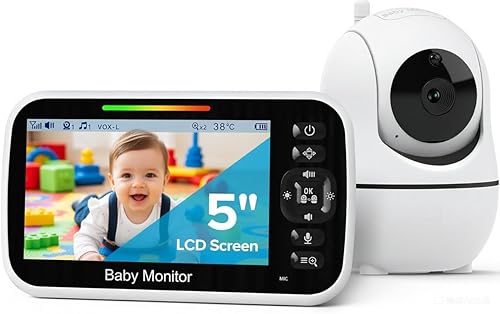
| HelloBaby No-Wi-Fi 5″ PTZ | No | 30 hrs parent | USB charging | Offshore passages |
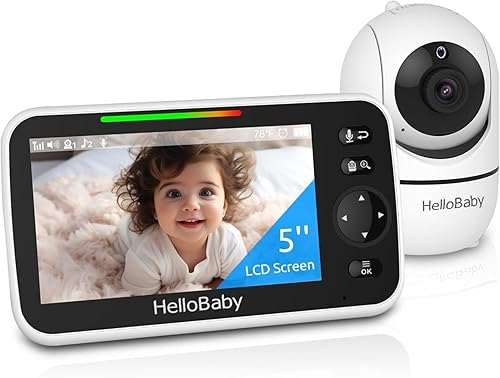
| HelloBaby 5″ with 2 cameras | No | 30 hrs parent | USB charging | Aft-cabin + V-berth setups |
| GoodBaby PTZ No-Wi-Fi | No | Yes, multi-hour | USB charging | Daysailers, weekenders |
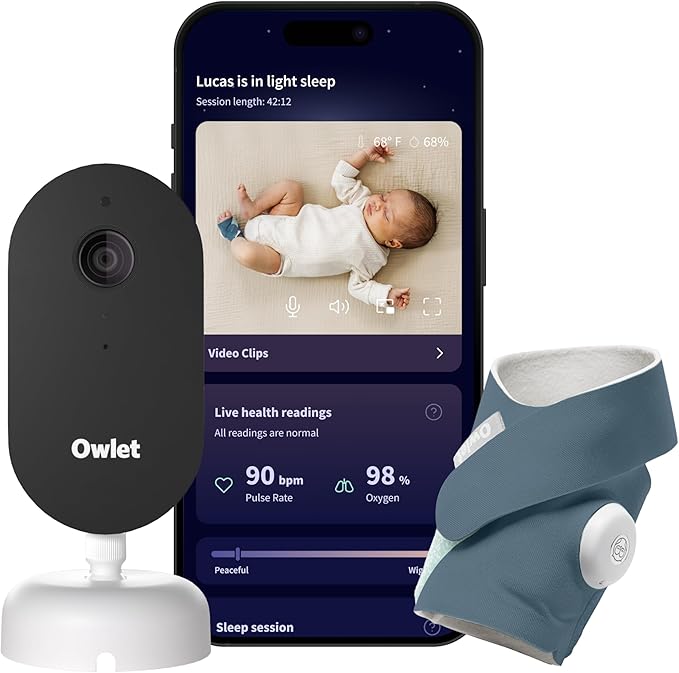
| Owlet Dream Duo Gen 3 | Yes (2K stream) | Camera no | Only at marina | Slip-side use only |
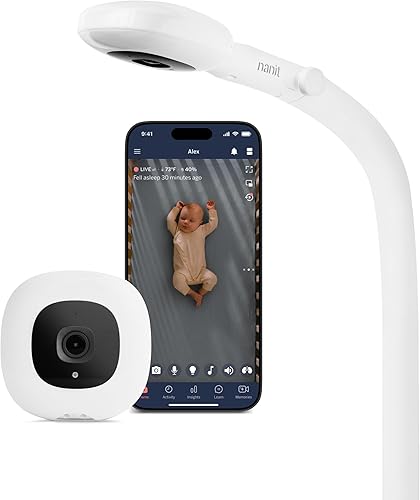
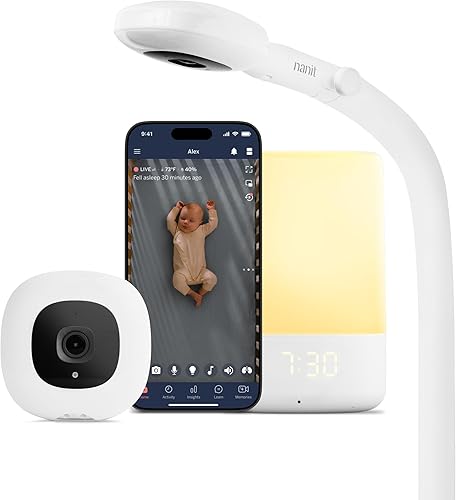
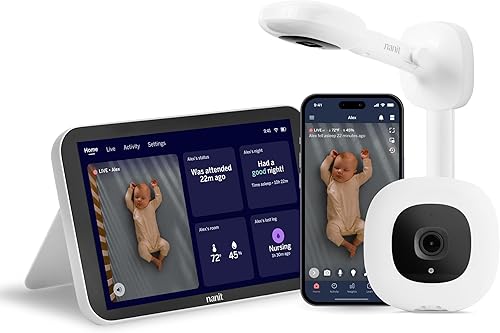
| Nanit Pro 1080p | Yes | Camera no | Only with Starlink | Smart-boat with Starlink |
If the VM5463 isn't quite right: battery-friendly picks
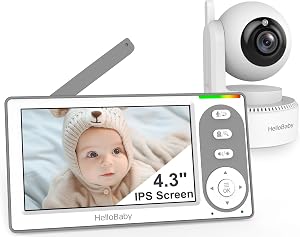
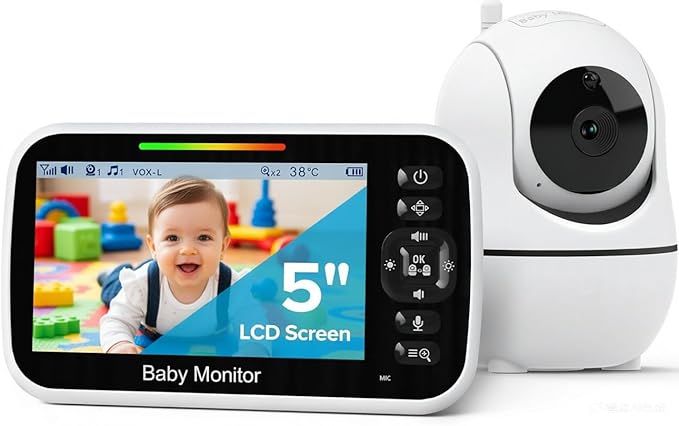
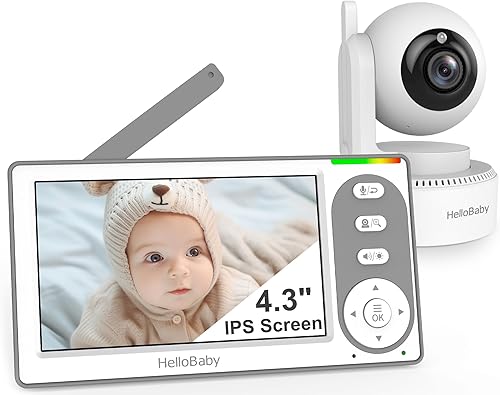
HelloBaby No-WiFi 5-inch PTZ with 30-Hour Battery
The single biggest pain point of the VM5463 on a sailboat is the parent unit's 6–10 hour endurance, which means you are constantly thinking about charging. The HelloBaby 5-inch model solves that with a 30-hour battery in the parent display, no Wi-Fi requirement, and a simple 5V USB-C charge port that plugs straight into any 12V cigarette socket without a converter. The pan-tilt-zoom camera draws about 4W, which works perfectly off a 12V-to-6V buck or a marine USB outlet with a 5V-to-6V step-up cable. Check the HelloBaby 30-hour PTZ on Amazon.
HelloBaby 5-inch with 2 Cameras and 30-Hour Battery
Cruising families often want eyes on two spaces — a forward V-berth where the infant sleeps and a quarter berth where a toddler naps during a passage. The two-camera HelloBaby kit gives you split-screen or sequential monitoring on a single parent unit without needing a phone or chartplotter. The 30-hour battery means you can leave it running through a 12-hour overnight watch and still have margin before plugging into your 12V house bank in the morning. See the 2-camera HelloBaby setup on Amazon.
GoodBaby No-WiFi PTZ Monitor
If your budget is tight or you only sail weekends, the GoodBaby PTZ is the most affordable closed-circuit option that still gives you remote pan, tilt, and zoom — useful when the camera has to be wedged on a fiddle rail and you cannot easily adjust the angle once the baby is asleep. Like the VTech, it uses DECT-style 2.4GHz with no internet dependency. View the GoodBaby PTZ on Amazon.
Owlet Dream Duo Gen 3 (marina-only)
If you only sail to marinas with shore power and reliable Wi-Fi, or you have a Starlink Mini on your boat, the Owlet Dream Duo adds wearable pulse-ox monitoring on top of a 2K video stream — valuable for very young infants in a rocking environment where SIDS anxiety can spike. Do not rely on it during an offshore passage because the moment cellular and Wi-Fi drop, the app loses live data. Check Owlet Dream Duo on Amazon.
Nanit Pro 1080p (smart-boat only)
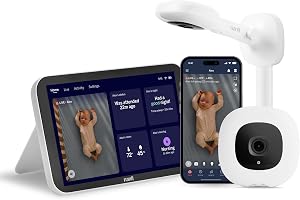
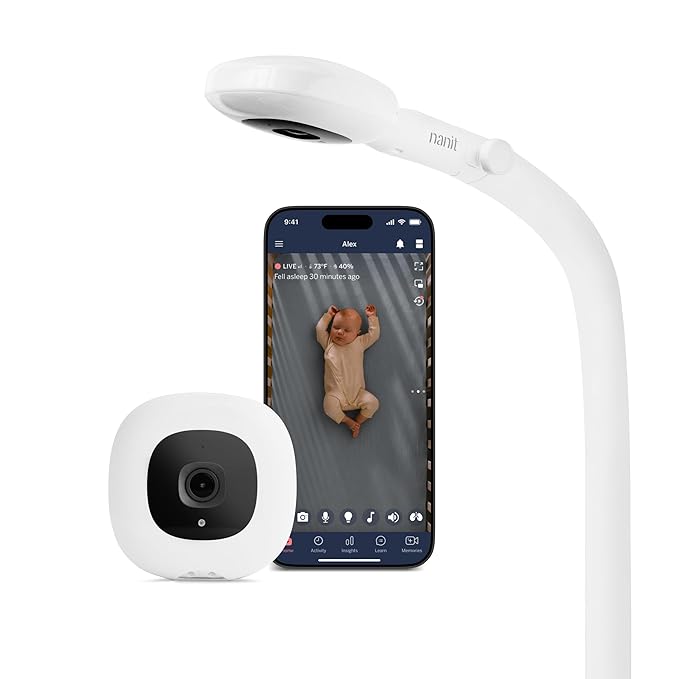
The Nanit Pro is the gold standard for sleep analytics but it is a Wi-Fi-only camera with no parent unit and no offline mode. Only consider it if you have permanent Starlink, a 12V router, and a marine 120V outlet to power the camera through its OEM brick. See the Nanit Pro on Amazon.
Marine-environment gotchas the manual won't mention
Salt air, condensation, and constant low-level vibration are murderous on consumer electronics. Whether you stick with the VM5463 or switch to one of the alternatives above, follow these rules:
- Mount the camera away from open hatches and dorade vents. Salt mist will corrode the lens housing and internal antenna within a season.
- Use silicone-jacketed cable, not PVC. PVC stiffens, cracks, and chafes at every gimballed motion.
- Add a desiccant pack inside any locker holding the parent unit. Even a $3 silica gel canister extends the screen's life dramatically.
- Wire the buck converter to a switched circuit on your DC panel, never directly to the battery, so you can isolate it during a lightning event or extended dock-out.
- Add a 2A glass fuse within 7 inches of the 12V tap per ABYC E-11. The OEM adapter has none; the buck converter typically has none.
How long will the VM5463 actually run on your house bank?
Doing the math: the camera pulls roughly 0.8A at 6V = 4.8W. The parent unit pulls about 0.6A at 6V when the screen is on = 3.6W. Combined, that is 8.4W. Over 24 hours, that is just over 200Wh, or about 17Ah at 12V. If you have a 200Ah lithium house bank with a 50% usable depth-of-discharge buffer, the monitor alone will consume roughly 17% of your daily budget. That is significant on a passage where your fridge, autopilot, instruments, and lighting all compete for the same amps. The HelloBaby alternatives draw closer to 4W combined and recharge from any 5V USB outlet, so they are noticeably easier on the bank — something to weigh if you are still in the buying phase.
Range and interference on a steel or aluminum boat
One last consideration specific to the vtech vm5463 on sailboat 12v power setup: DECT 1.9GHz signals attenuate badly through aluminum bulkheads and steel hulls. On a fiberglass or wood-cored boat, the VM5463's claimed 1,000-foot range collapses to maybe 30–40 feet below decks, which is usually plenty. On a metal boat, expect to need the camera and parent unit on the same side of any structural bulkhead, with line-of-sight through a companionway opening for reliable audio.
For more on related setups, see our guides to no-Wi-Fi baby monitors for boats, wiring a baby monitor to a 12V house bank, and choosing a marine-grade buck converter.
Frequently Asked Questions
Can I plug the VTech VM5463 directly into a 12V cigarette socket?
No. The camera and parent unit both require 6V DC at 800mA. Plugging either into a 12V outlet will exceed the input rating and likely destroy the internal regulator. Use a 12V-to-6V buck converter, a small pure-sine inverter with the OEM adapter, or charge the parent unit through its USB port from a 5V outlet.
What size buck converter do I need for the VM5463 on a boat?
A converter rated for at least 2A continuous output at 6V is sufficient for both the camera and parent display together. Models with adjustable output (DROK, Drok, Pololu D24V22F6) work well — just set them to exactly 6.0V with a multimeter before wiring in the barrel plug.
How long does the VM5463 parent unit run on its internal battery?
Approximately 6–10 hours with the screen in auto-off (audio-only) mode, and 4–6 hours with the LCD on continuously. For overnight passages, plan to top it up midway from a 5V USB outlet on your 12V bus.
Will the VM5463 work offshore where there's no Wi-Fi or cell signal?
Yes. The VM5463 uses 2.4GHz DECT closed-circuit transmission with no internet dependency, which makes it one of the few monitors usable hundreds of miles from shore. The HelloBaby 30-hour and GoodBaby PTZ models are equally Wi-Fi-free alternatives.
What's the safest way to ground the buck converter on a boat?
Tie the converter's negative input to your DC negative bus, never to the hull or engine block. Use marine-grade tinned copper wire, heat-shrink every joint, and protect the positive feed with a 2A inline fuse within 7 inches of the battery tap per ABYC E-11 guidelines.
Can I use a 12V-to-USB charger to power the VM5463 camera?
Not directly — USB delivers 5V and the camera needs 6V. However, you can buy a USB-to-6V step-up cable (commonly sold for older portable devices) that bridges the gap. It is a less elegant solution than a dedicated buck converter but works in a pinch.
Are there marine-certified baby monitors I should consider instead?
No major brand markets a marine-certified baby monitor as of 2026. The closest equivalents are the no-Wi-Fi HelloBaby and GoodBaby models, which have long internal batteries and standard USB charging — both qualities that make life on a 12V system dramatically easier than wrestling with the VM5463's twin 6V adapters.
Key Takeaways
- Choosing the right vtech vm5463 on sailboat 12v power means matching capacity and output ports to your actual devices
- Always check actual watt-hours (Wh), not just watts — runtime depends on Wh, not peak output
- Also covers: baby monitor for liveaboard sailboat
- Also covers: vtech vm5463 12 volt adapter
- Also covers: baby monitor on marine battery
- Compare price-per-Wh across models to find the best value for your budget