If you're stuck on the hatch rest vs nanit sound machine toddler question because your little one is climbing out of the crib, the short answer is this: the Hatch Rest (2nd Gen and Rest+) is the better dedicated sound machine and OK-to-wake clock for transitioning toddlers, while the Nanit sound feature is a built-in bonus inside a premium video monitor system. If you already trust Nanit's camera and just need white noise, its built-in sound machine is genuinely competent. If sleep training, OK-to-wake colors, and a long-term nightlight matter more than video, Hatch Rest wins. Most parents transitioning a 2- to 4-year-old to a toddler bed end up using both: Hatch in the room for sound and light cues, and a camera (Nanit or otherwise) for visibility.
Below is a full breakdown of how the two ecosystems compare for toddlers specifically, what changes when a child moves out of the crib, and which products are actually worth buying in 2026.
Why the crib-to-bed transition changes what you need from a sound machine
A newborn sound machine basically just needs to be loud, consistent, and safe. A toddler sound machine has to do more. Once a child is out of the crib (typically between 18 months and 3.5 years), they can get up, wander, turn off devices, and decide for themselves when "morning" starts. That means the device in their room is now competing with their developing autonomy.
The features that actually matter for a transitioning toddler:
- OK-to-wake color cues — a light that turns from red/yellow to green at a set wake time, so a non-reading toddler knows whether to stay in bed.
- Tamper resistance or app-only control — so your toddler can't crank the volume to 85 dB at 2 a.m.
- Nightlight dimming — bright enough for diaper changes, dim enough not to disrupt melatonin.
- Routines and timers — automatic wind-down, story playback, or specific sounds tied to bedtime.
- Battery backup — toddlers unplug things. A unit that survives a power yank is worth a lot.
This is the lens to use when weighing the hatch rest vs nanit sound machine toddler decision. It's less about audio quality and more about which device fits the toddler-stage routine.
Hatch Rest: built for the toddler stage
The Hatch Rest (current 2nd Gen) and the Hatch Rest+ are sound machines first, with a color-changing nightlight, an OK-to-wake function, and app-based scheduling. The Rest+ adds a built-in audio monitor, time display, and battery backup; the 2nd Gen Rest is the more common pick for toddlers because the price is friendlier and the feature set is tuned for sleep training.
Where Hatch shines for toddlers:
- The light glows a specific color (often green) when it's officially "wake up" time, which is the single most useful feature for a kid in a big-kid bed.
- Routines can chain together — dim warm light at 7:00, story or lullaby at 7:15, white noise at 7:30, then silent darkness.
- Toddler-Lock prevents kids from changing settings with the physical button.
- The Hatch Sleep membership adds toddler-targeted stories and meditations, which gets useful around age 3.
The downsides: no camera, no video, no in-room visibility for the parent. You will still need a baby monitor of some kind unless your toddler is fully independent through the night.
Nanit's sound machine: a feature, not a product
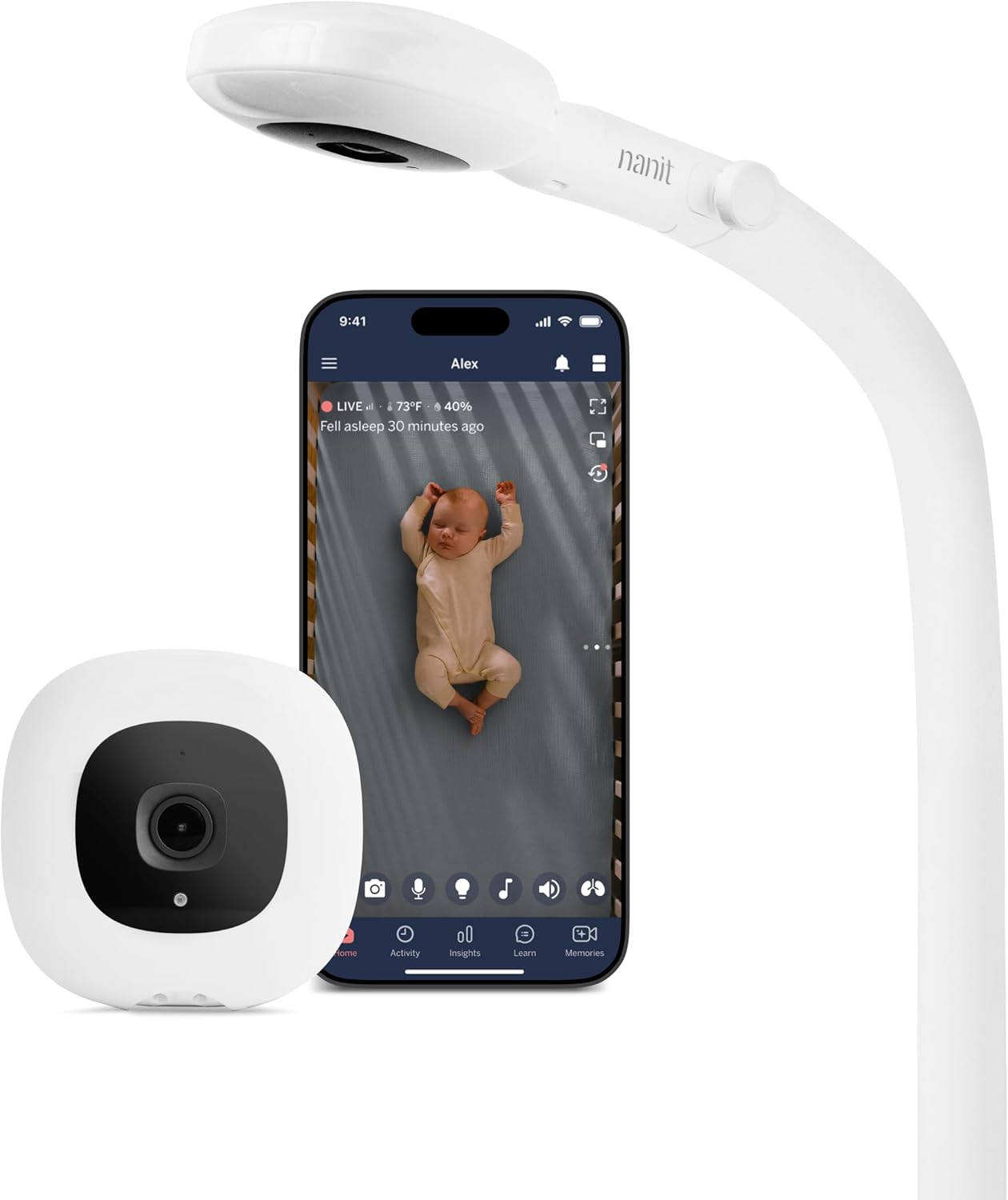
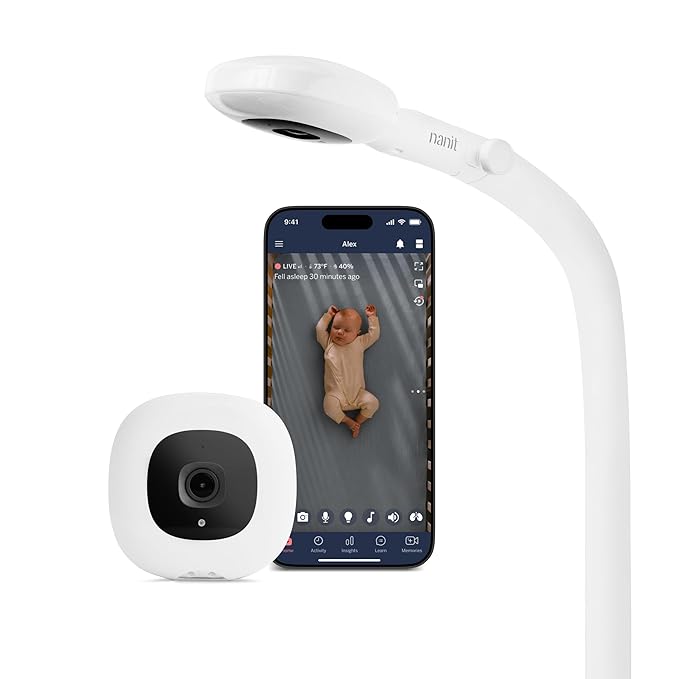
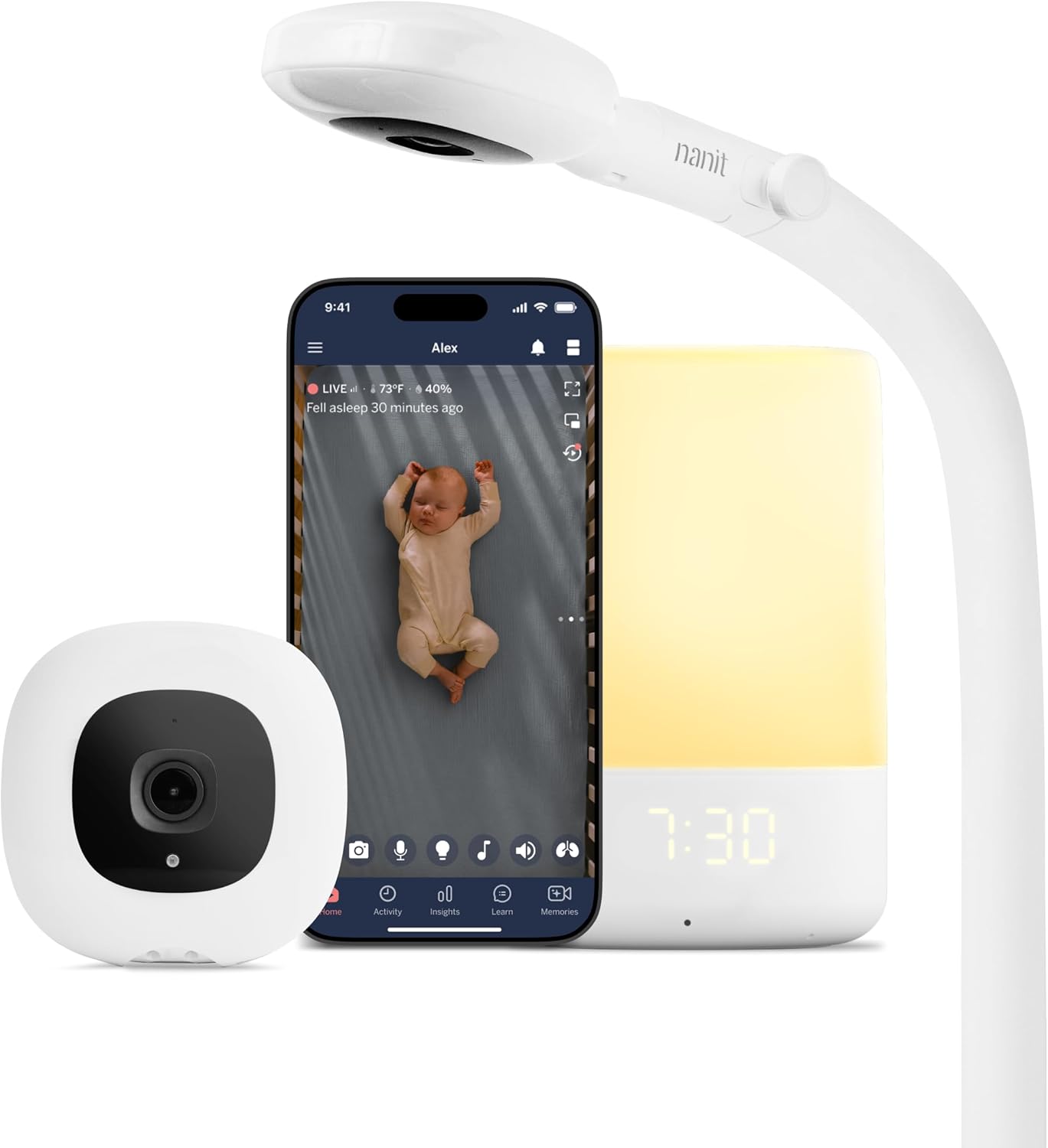
Nanit is primarily a wall- or stand-mounted overhead camera with breathing-band tracking, sleep analytics, and a two-way audio system. The sound machine is built into the camera (and into the app) and plays white noise, lullabies, and nature sounds on a schedule.
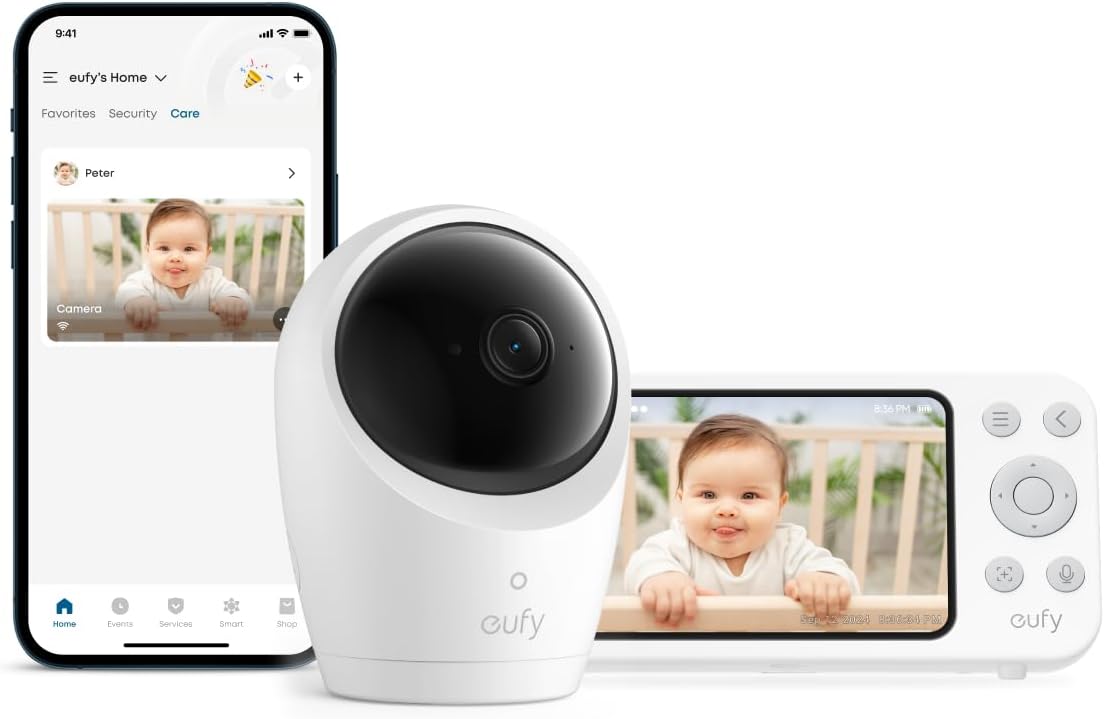
For toddlers, the Nanit sound machine is fine — clean audio, app-scheduled, no buttons your kid can mess with. But it has no color-changing OK-to-wake light, no nightlight near the bed, and the speaker is mounted on the ceiling or across the room, which is acoustically worse than a unit on a nightstand. The real value of Nanit at the toddler stage is the camera: you can verify whether the noise upstairs is your toddler reading a book or your toddler standing on the dresser.
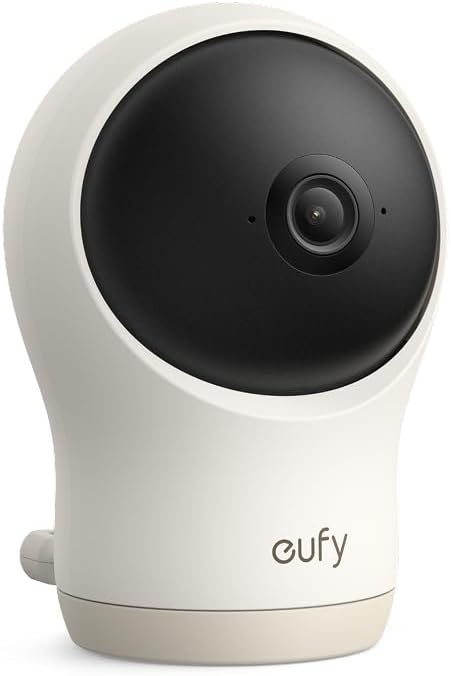
Nanit Pro Smart Baby Monitor with Floor Stand
The Nanit Pro with the floor stand is the version most worth considering for a toddler room. The floor stand is freestanding (no wall-mounting drama when you reorganize the room for the new bed), the 1080p overhead view shows the whole bed, and the app includes sound machine controls, two-way talk, sleep tracking, and motion alerts. For parents who already lean toward video monitoring and want the sound machine bundled in, this is the cleanest single-purchase route. Check the current price on Amazon.
Side-by-side: Hatch Rest vs Nanit sound machine toddler comparison
| Feature | Hatch Rest (2nd Gen / Rest+) | Nanit Pro (built-in sound) |
|---|---|---|
| Primary purpose | Sound machine + OK-to-wake light | Video monitor with sound feature |
| OK-to-wake color cue | Yes, programmable | No |
| Nightlight at bed level | Yes, dimmable, multi-color | No (camera is overhead) |
| Sound library | White/pink/brown noise, lullabies, stories (membership) | White noise, lullabies, nature |
| Toddler-Lock | Yes (physical lockout) | N/A — no buttons in reach |
| Battery backup | Rest+ only | No |
| Camera / video | No | 1080p overhead, breathing band |
| App scheduling | Yes, routines | Yes |
| Best for | Crib-to-bed sleep training | Parents prioritizing video + casual sound |
| 2026 typical price tier | $$ | $$$$ |
Which one actually works better for a toddler transitioning from a crib?
For the specific moment when a toddler moves from a crib to a floor bed or twin bed, Hatch Rest is the more useful single device. The OK-to-wake light is genuinely behavior-changing — toddlers who can't read a clock can absolutely understand "green means I can get up." Pair that with consistent white noise and a dim red nightlight for night wakings, and you have the closest thing to a behavioral training tool in the under-$100 sleep-tech category.
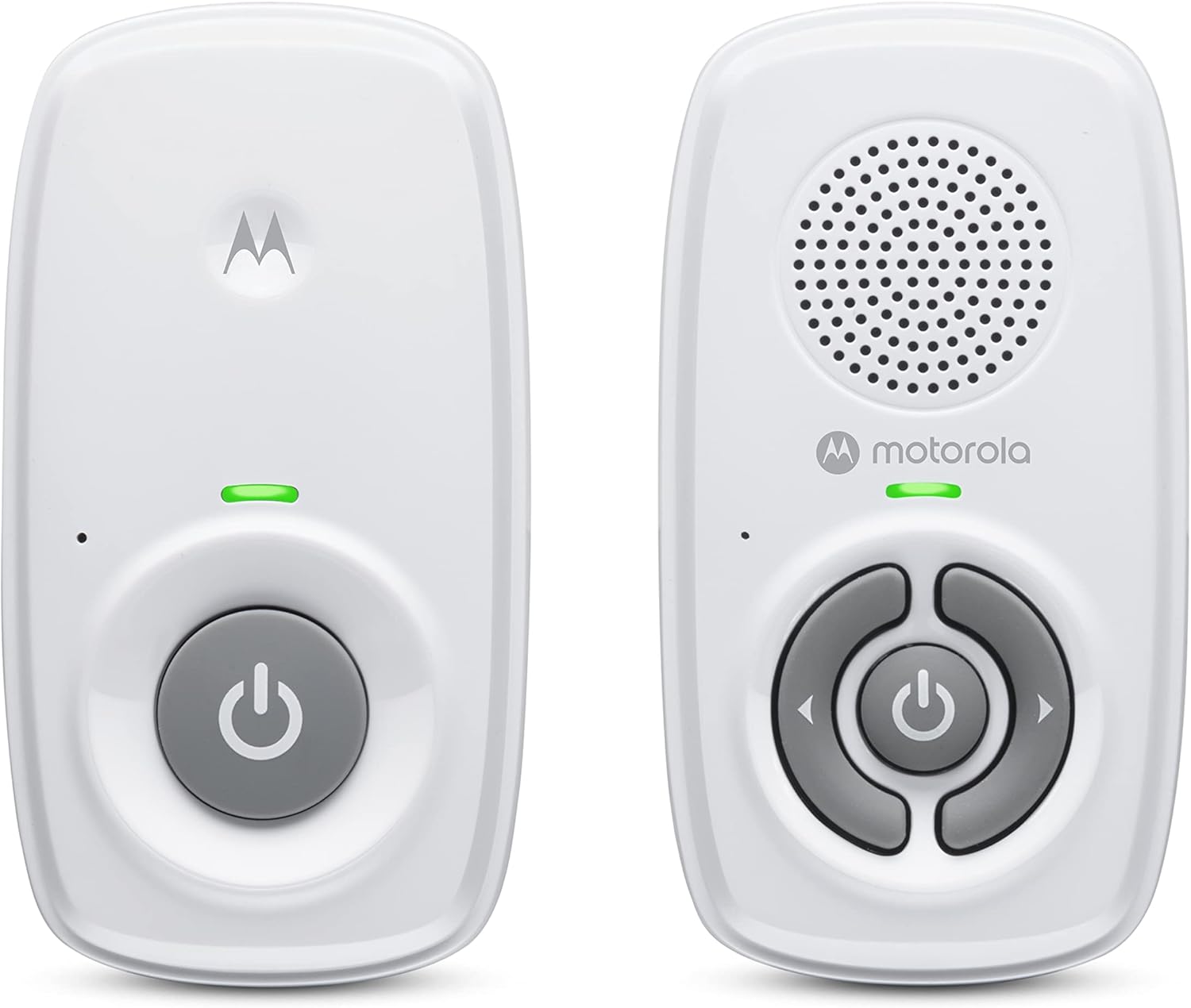
Nanit's sound machine, by contrast, is a convenience layer. It exists because the camera is already in the room and the app is already running. If you bought the Nanit Pro for its sleep tracking and breathing band features, you may never need a separate sound machine for a newborn. But the moment that newborn becomes a toddler making bedtime negotiations, the lack of an OK-to-wake light starts to matter.
The honest recommendation for most families: buy Hatch Rest for the toddler, and keep (or add) a camera for visibility. If you already own Nanit, you do not need to replace it; just add a Hatch. If you're starting from zero and want one device, choose based on whether video matters more (Nanit) or sleep training matters more (Hatch).
If you also need a camera: top picks for toddler rooms in 2026
Best premium video pairing: Nanit Pro Smart Baby Monitor
If you're going to spend on a camera, Nanit Pro is the one that still does the most for the price. The overhead view shows whether your toddler is in bed, standing in the bed, or actively trying to climb the dresser — a perspective no rotating crib-side camera matches. The sleep insights are useful in the 12-to-30-month window when sleep regressions are common. View the Nanit Pro on Amazon.
Best smart alternative with built-in sleep tracking: Owlet Dream Duo (Gen 3)
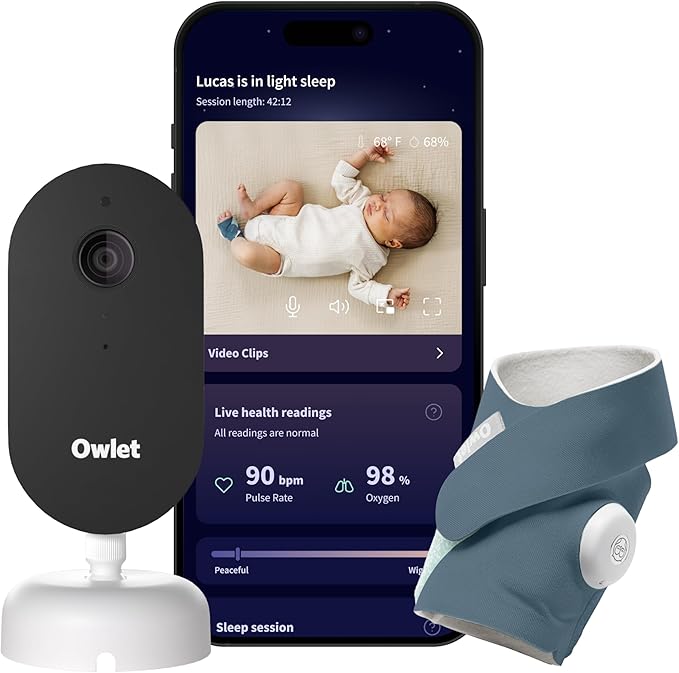
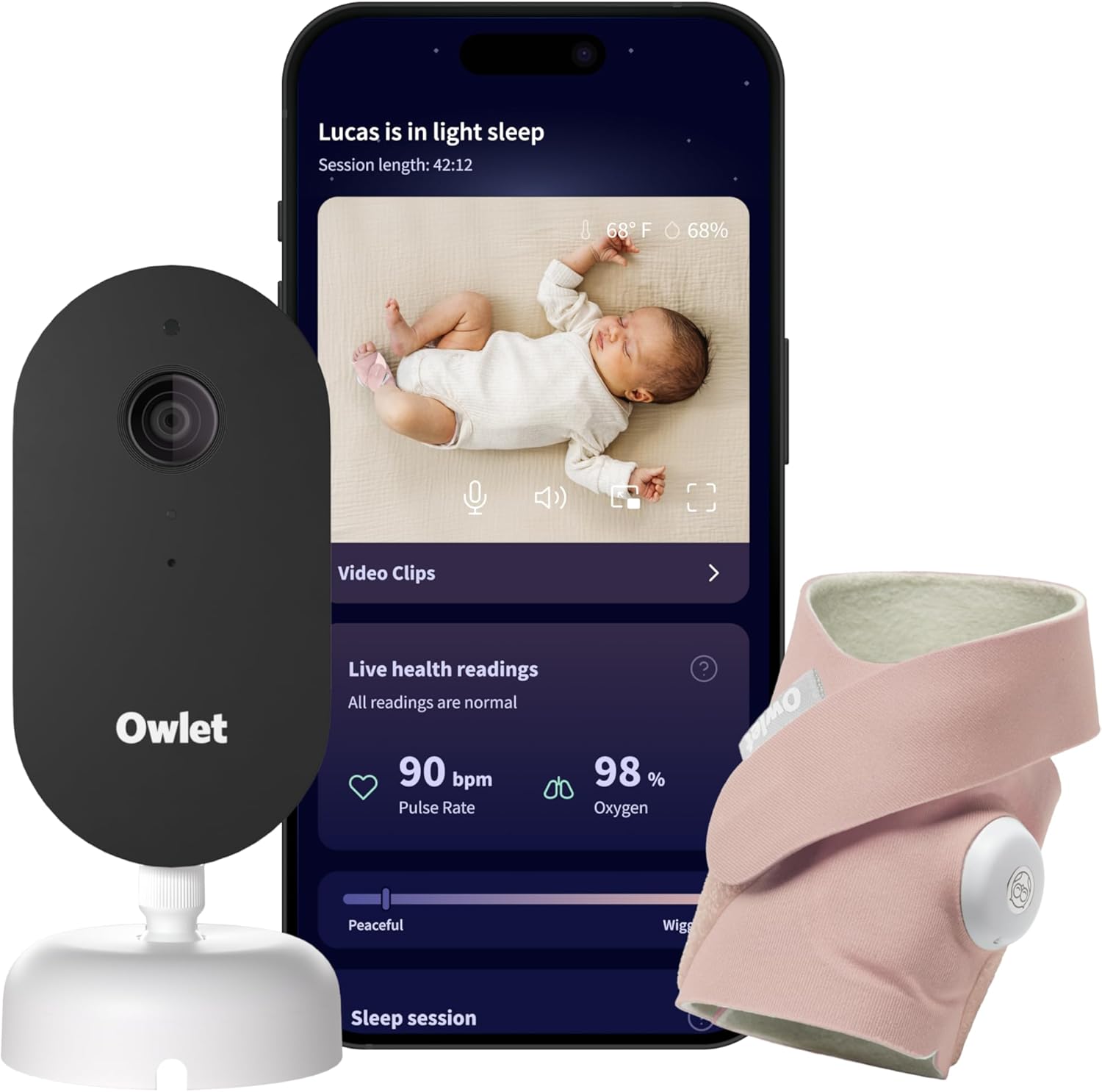
If you want sleep tracking but prefer a wearable-plus-camera setup, the Owlet Dream Duo Gen 3 pairs a 2K HD video camera with a sock that tracks heart rate, oxygen, and sleep state. For toddlers under about 18 months it's still age-appropriate; older toddlers usually outgrow the sock. The 2K video is sharper than Nanit's 1080p and the app is easier for grandparents to use. Check the Owlet Dream Duo on Amazon.
Best no-WiFi option (privacy-conscious or rural homes): HelloBaby PTZ Monitor
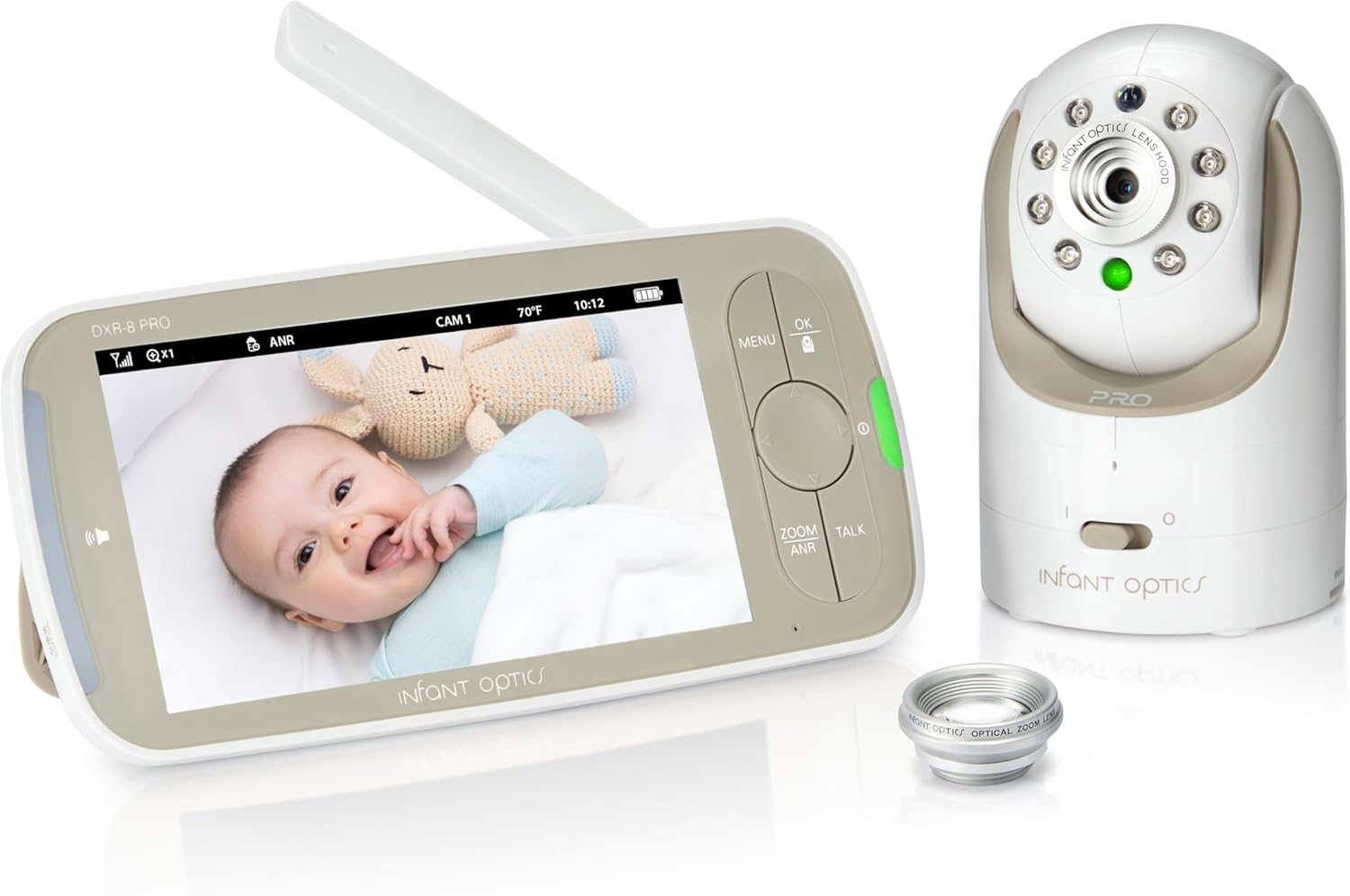
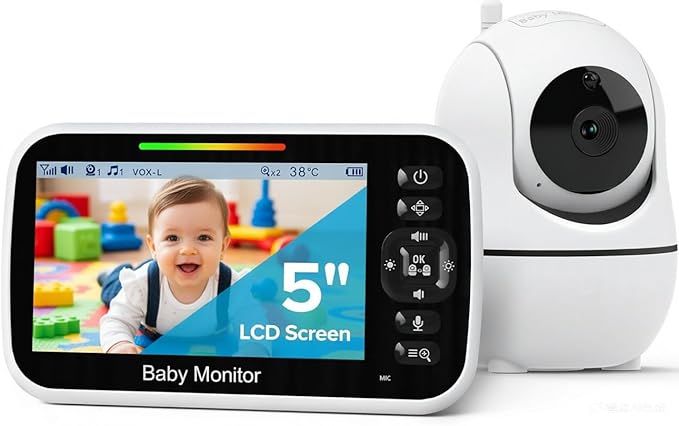
If you don't want another connected camera in the house, or your rural internet is unreliable, a no-WiFi monitor pairs perfectly with a Hatch Rest in the toddler's room. The HelloBaby 5-inch with 30-hour battery has pan/tilt/zoom and a dedicated parent unit, so it survives a router outage and won't be hacked through the cloud. See the HelloBaby PTZ monitor on Amazon.
Best for two toddlers or a nursery plus a toddler room: HelloBaby 2-Camera System
If you have a new baby in the nursery and a toddler in a separate big-kid room, a dual-camera no-WiFi setup is simpler and cheaper than running two Nanit subscriptions. The HelloBaby 5-inch dual-camera bundle covers both rooms on one parent screen. View the dual-camera HelloBaby on Amazon.
Best budget no-WiFi pick: GoodBaby PTZ Monitor
If the Hatch Rest already ate your sound-tech budget, the GoodBaby no-WiFi monitor is the cheapest path to having eyes on the room without subscriptions or cloud accounts. It's not fancy, but for a toddler who's mostly sleeping through the night and just needs occasional check-ins, it does the job. Check the GoodBaby monitor on Amazon.
How to set up the toddler's room for the transition
A working setup for a 2-to-3-year-old in a new bed usually looks like this:
- Hatch Rest on the nightstand or shelf, set to dim warm orange from bedtime to a chosen wake time, then switch to green for 30 minutes as the OK-to-wake cue.
- Continuous white or brown noise at roughly 50 dB — loud enough to mask hallway noise, not so loud it damages hearing over hours.
- A camera (Nanit Pro, Owlet, or a no-WiFi unit) positioned to show the whole bed, not just the head.
- A toddler clock routine tied to the Hatch wake light — the same green color, every morning, with a consistent verbal rule ("green means you can come out").
If you want to go deeper on what to pair with this setup, see our guides on the best OK-to-wake toddler clocks in 2026 and no-WiFi baby monitors for toddler rooms. For sleep-training timing specifically, our piece on when to move from crib to toddler bed covers the developmental cues.
Frequently Asked Questions
Is the Hatch Rest sound machine safe for toddlers all night?
Yes, with one caveat: keep the volume at or below 50 dB measured at the toddler's head, not at the speaker. The AAP recommends keeping continuous noise around that level for infants and toddlers. Hatch's app shows volume as a percentage, not decibels, so the safest setup is to measure once with a phone dB meter and lock in that percentage as your nightly preset.
Can the Nanit camera replace a sound machine entirely?
For a newborn, often yes — the built-in white noise on Nanit is clean and the camera's overhead audio is decent. For a toddler in a separate bed, no. You'll want a unit closer to the child for consistent masking and you'll want the OK-to-wake light, which Nanit does not offer.
Does the Hatch Rest+ have a camera?
No. The Hatch Rest+ adds an audio-only monitor, a time display, and battery backup compared to the standard 2nd Gen Rest, but it has no camera and no video function. You'll still want a separate baby monitor if you want video.
What color light is best for a toddler's nightlight during sleep?
Warm red or amber. Blue and white light suppress melatonin and can delay sleep onset. Both Hatch and Nanit can produce warm/red tones; on Hatch, set a custom red around 5-10% brightness for night-wake check-ins. Use green only as the wake cue, not as a nightlight.
Can a toddler turn off the Hatch Rest in the middle of the night?
Only if Toddler-Lock is off. Enable it in the app and the physical buttons stop responding, which is essentially required for any kid in a big-kid bed. The unit can still be unplugged, which is why the Rest+ with battery backup is worth the upgrade for climbers.
Do I need a Hatch Sleep subscription for the OK-to-wake function?
No. OK-to-wake scheduling, the basic sound library, the nightlight, and routines all work without the paid Hatch Sleep membership. The subscription adds curated content like guided meditations, longer sleep stories, and dreamscapes, which become more useful around age 3 to 4 but are not required for the core toddler features.
Will the Nanit Pro work after my toddler moves to a regular twin bed?
Yes, with the floor stand version. The overhead view still frames the bed clearly. The breathing band and swaddle features stop being relevant once the child outgrows them, but the camera, two-way talk, sound machine, and motion alerts all continue to work and remain useful through about age 4 or 5.
What's the actual difference between Hatch Rest 2nd Gen and Hatch Rest+ for a toddler?
Three things: the Rest+ has a built-in audio baby monitor, it shows the time on the face of the unit, and it includes a backup battery. For a toddler past 2.5 years, the battery is the most useful of those three — it survives a child unplugging the device or a brief power outage without losing white noise mid-sleep cycle.
Key Takeaways
- Choosing the right hatch rest vs nanit sound machine toddler means matching capacity and output ports to your actual devices
- Always check actual watt-hours (Wh), not just watts — runtime depends on Wh, not peak output
- Also covers: best sound machine crib to bed transition
- Also covers: hatch rest toddler bedroom
- Also covers: nanit sound machine vs hatch
- Compare price-per-Wh across models to find the best value for your budget