If you're searching for the best baby monitor for blind parents voiceover compatibility in 2026, the short answer is this: prioritize Wi-Fi monitors with iOS apps that have been deliberately built for VoiceOver, layered audio alerts (cry detection, breathing alerts, motion cues), and a tactile, button-based parent unit as a backup. The Nanit Pro and Owlet Dream Duo (Gen 3) currently lead the pack for app accessibility, while HelloBaby and GoodBaby handheld monitors offer dedicated physical buttons that bypass touchscreens entirely. Below, I break down which monitor fits which household, what to test before the return window closes, and how to combine devices for redundant audio coverage.
Why most baby monitors fail blind parents (and what to look for instead)
Top Picks
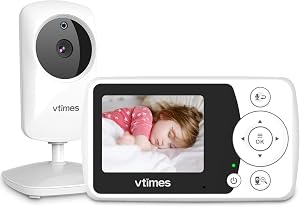
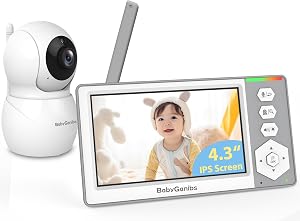
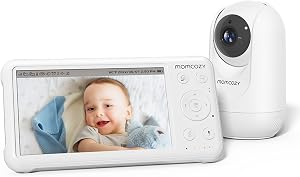
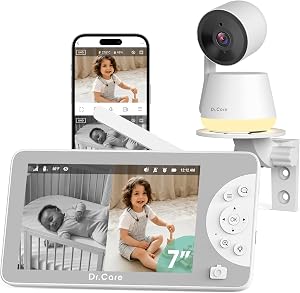
The majority of baby monitors are designed around a visual paradigm: a glowing parent unit screen, on-screen menus, color-coded LEDs for sound level, and apps that rely on unlabeled icon buttons. For a sighted parent, that's fine. For a blind or low-vision parent navigating with VoiceOver on iOS or TalkBack on Android, an unlabeled button is a dead end. The right baby monitor for blind parents voiceover setup solves this in two ways: (1) the companion app is fully labeled so every control announces its purpose, and (2) the monitor itself delivers rich non-visual alerts — distinct tones for crying, motion, temperature changes, and out-of-range warnings — so you don't need to look at anything to know what's happening in the nursery.
When shopping for baby monitor for blind parents voiceover, it pays to compare specs, capacity, and real-world runtime before committing.
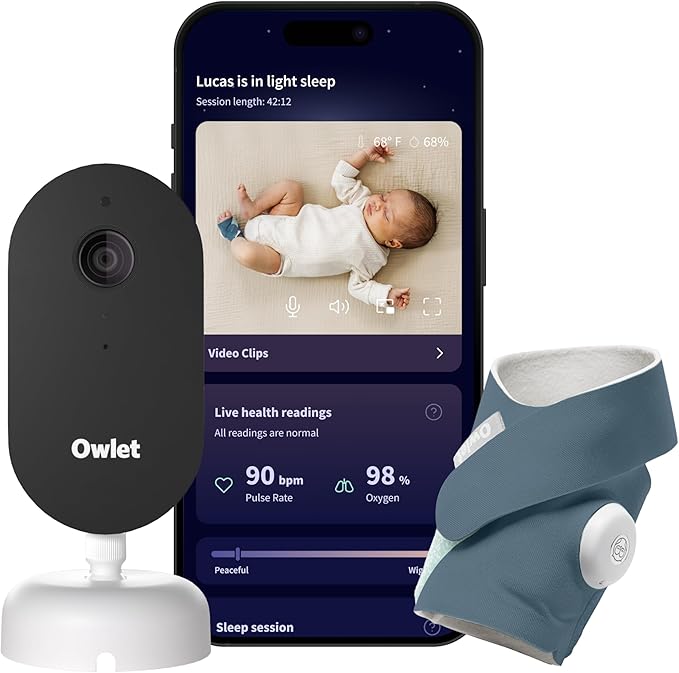
Before you buy, check three things: does the manufacturer's iOS app pass a basic VoiceOver swipe-through (every button announces a name), can the monitor's audio be routed to a HomePod, AirPods, or hearing aid via Bluetooth or AirPlay, and does the parent unit have raised tactile buttons (talk-back, volume, power) you can identify by touch? If any one of these fails, the device will become a daily friction point.
Quick comparison: top accessible baby monitors for 2026
| Monitor | VoiceOver-friendly app | Audio alerts | Tactile parent unit | Best for |
|---|---|---|---|---|
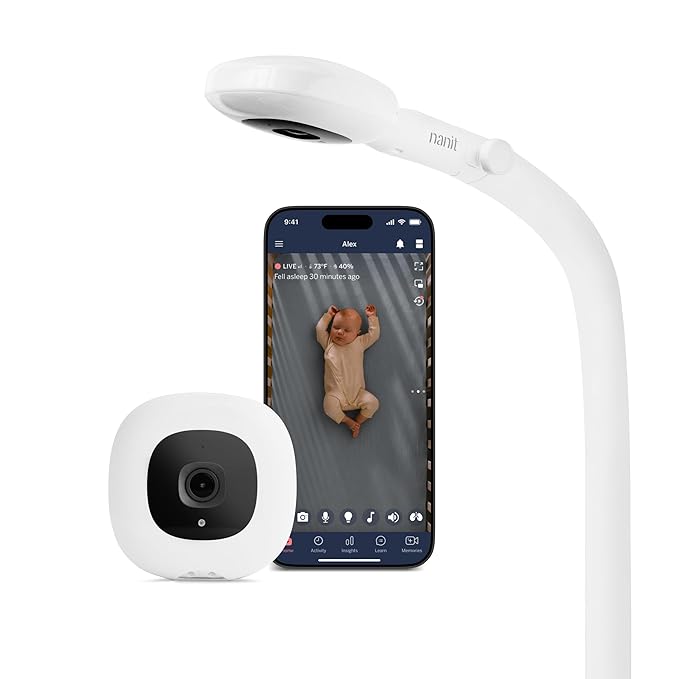
| Nanit Pro | Yes — strong iOS labeling | Cry, motion, breathing band | App-only (use iPhone/HomePod) | Apple households with HomePods |
| Owlet Dream Duo (Gen 3) | Yes — sock alerts spoken aloud | Heart rate, oxygen, cry | App-only | Health-data-driven parents |
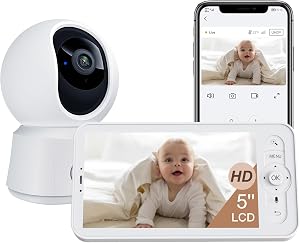
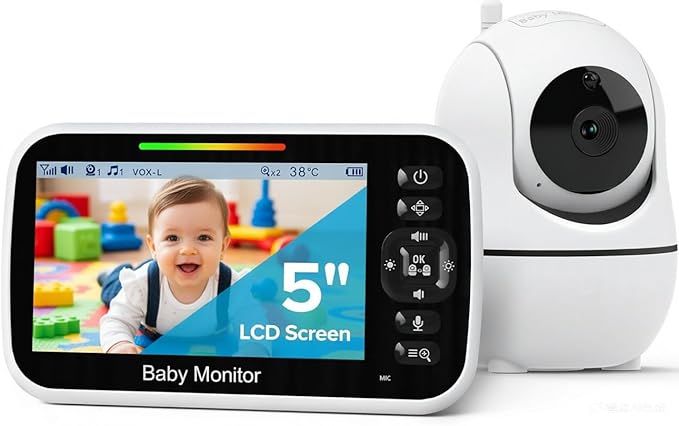
| HelloBaby No-WiFi 5-inch PTZ | No app needed | Sound-activated alert tones | Yes — raised buttons | Privacy-first, no-app users |
| HelloBaby 2-Camera 5-inch | No app needed | Sound + temp alerts | Yes — raised buttons | Twins or two-room setups |
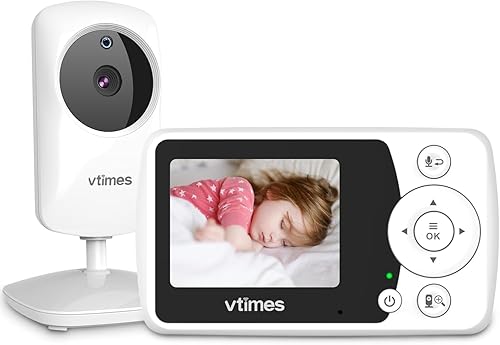
| GoodBaby PTZ No-WiFi | No app needed | Sound-activated, lullabies | Yes — raised buttons | Budget tactile-only setup |
Top picks for blind parents using VoiceOver in 2026
1. Nanit Pro Smart Baby Monitor — Best overall for VoiceOver users
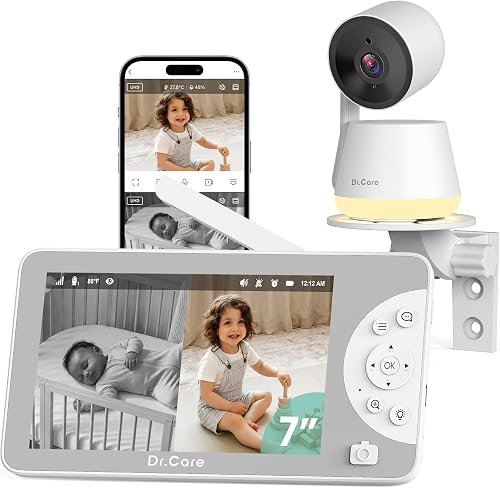
The Nanit Pro is the monitor I recommend most often to blind parents who already live inside the Apple ecosystem. The Nanit iOS app has received steady accessibility attention over the last several updates: navigation tabs, the live-view controls, the two-way talk button, and the activity timeline all read aloud with VoiceOver. Sound, motion, and breathing-band alerts arrive as standard iOS push notifications, which means VoiceOver speaks them on your lock screen, on your Apple Watch, and through your hearing aids if you've paired them. You can also AirPlay the live audio to a HomePod mini in your bedroom for an always-on audio baby monitor experience, which is a game-changer if you'd rather not hold a phone all night.
Setup is the one area to budget extra time for: the QR-code pairing step can be fiddly if you can't see the screen, so plan to either have a sighted helper present for the first ten minutes or use Be My Eyes / Aira to walk through the camera-to-app handshake. After that, it's smooth sailing.
2. Owlet Dream Duo (Gen 3) — Best for spoken health alerts
The Owlet Dream Duo pairs a 2K camera with the Dream Sock, which tracks heart rate and oxygen on babies up to 18 months. For a blind parent, the killer feature isn't the video — it's that the Owlet app announces sock readings and threshold alerts as fully-labeled VoiceOver notifications. You can configure the app to read "sleep quality good," "baby is awake," or "sock disconnected" without ever opening the screen. That ambient, voice-driven status reporting is closer to a smart-home assistant than a traditional baby monitor.
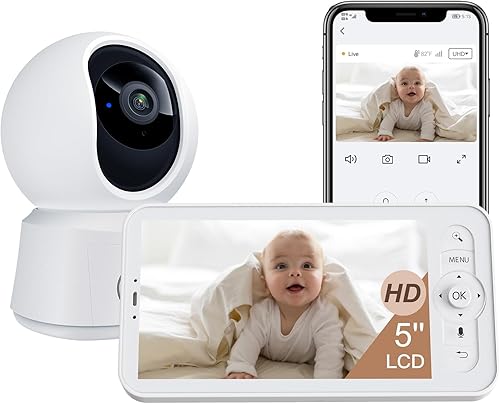
Two caveats: the sock requires charging every couple of days (set a Siri reminder), and the most critical "red" alerts route through Owlet's base station, which emits a loud audible siren — useful, since you do not want to rely solely on a phone notification for an oxygen alert. Combined with VoiceOver-spoken status updates, this is the most information-rich audio setup on the market.
Check the Owlet Dream Duo on Amazon
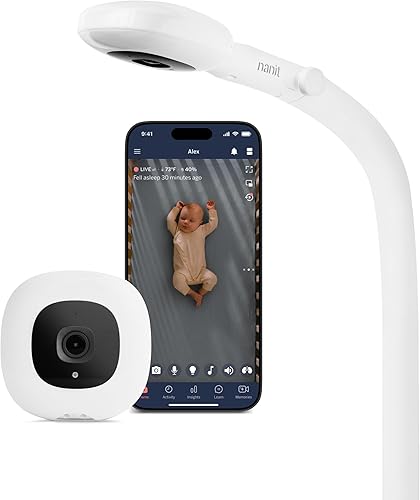
3. HelloBaby No-WiFi 5-inch Monitor — Best tactile backup unit
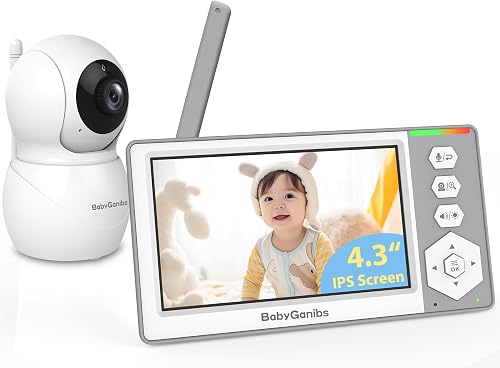
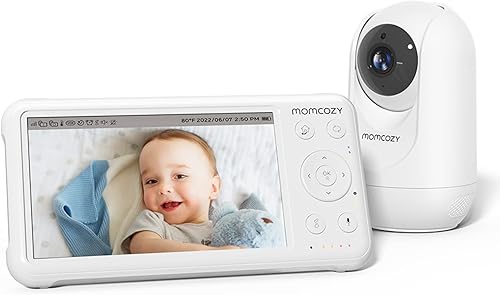
If you'd rather not depend on an app at all — or you want a fully tactile second device that doesn't rely on your home network — the HelloBaby No-WiFi 5-inch is the most accessible handheld parent unit I've tested. The buttons are raised, well-spaced, and follow a logical layout: power on top, volume on the right, talk-back on the left, and a D-pad in the center for the PTZ camera. You can learn the layout in about five minutes of tactile exploration. The unit emits an audible chime when out-of-range, a separate tone when the baby cries, and an LED-and-tone combination when temperature drifts. The 30-hour battery means you don't have to fumble with charging cables every night.
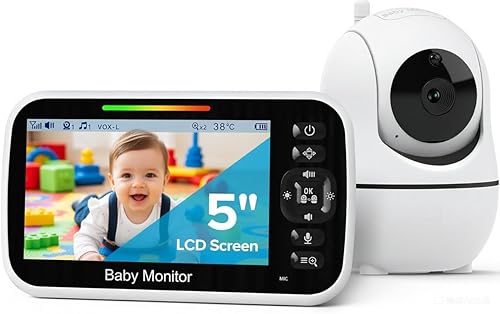
Because it doesn't use Wi-Fi, there's no app to learn, no VoiceOver labeling to worry about, and no risk that a firmware update breaks accessibility. It's also a perfect redundant backup to a smart monitor: pair it with the Nanit so that if your home internet drops, you still hear your baby.
Check the HelloBaby No-WiFi monitor on Amazon
4. HelloBaby 5-inch Monitor with 2 Cameras — Best for twins or two rooms
Same tactile layout as the single-camera HelloBaby above, but bundled with two cameras. The parent unit auto-cycles between rooms with an audible tone when it switches, so you hear which nursery you're currently listening to without needing to read the screen. For blind parents with twins in separate rooms, or with an older sibling still using a crib down the hall, this is the most accessible no-app multi-room solution available.
One workflow tip: label each camera physically with a tactile dot or bump-on sticker (camera A gets one dot, camera B gets two) so you can confirm which one you're placing where during setup. Once installed, the parent unit handles the rest by voice cue.
Check the HelloBaby 2-Camera monitor on Amazon
5. GoodBaby No-WiFi PTZ Monitor — Best budget tactile option
The GoodBaby monitor is the budget pick in this lineup, but it earns its place because the parent unit is genuinely usable without sight. Raised power, volume, and talk-back buttons, an audible out-of-range chime, sound-activated alert tones, and built-in lullabies that you can trigger by feel make it a solid first monitor for new parents who don't want to invest hundreds of dollars before knowing what they'll actually use. Pan, tilt, and zoom controls are mapped to a clearly grooved D-pad.
The trade-off is video quality and range — fine for a small apartment or single-floor home, less ideal for a multi-story house. If your home is larger, step up to one of the HelloBaby models above.
Check the GoodBaby monitor on Amazon
How to build a layered, audio-first nursery setup
The most resilient setup for blind parents combines a smart monitor with a non-Wi-Fi tactile backup. Run the Nanit Pro or Owlet Dream Duo as your primary, route notifications to your iPhone and a bedside HomePod via AirPlay, and place a HelloBaby or GoodBaby parent unit on your nightstand as a secondary. If the internet drops, the radio-frequency monitor keeps working. If you want to dig deeper into multi-device routing, see our guide to routing baby monitor audio through HomePods and our breakdown of accessibility features to test before the return window closes.
Don't forget your Apple Watch. With VoiceOver enabled on watchOS, Nanit and Owlet push notifications tap your wrist and read aloud through a connected hearing aid or AirPods — a discreet way to monitor during family dinners or while out for a walk with your guide dog. For a deeper look at wearables, see our guide to accessible baby wearables.
Frequently Asked Questions
Which baby monitor app works best with VoiceOver on iPhone?
As of 2026, Nanit and Owlet have the most consistently labeled iOS apps. Both pass a full VoiceOver swipe-through with named buttons for live view, two-way talk, alert history, and settings. Eufy and Arlo's general-purpose camera apps also work but are not optimized for baby-monitor workflows. Avoid generic Chinese-brand monitors with apps that route through third-party software — those almost always ship with unlabeled buttons.
Can I use a HomePod as a baby monitor for the blind?
Yes, indirectly. You can AirPlay the live audio from a Nanit or HomeKit-compatible camera to a HomePod or HomePod mini, turning it into an always-on bedside audio monitor. You can also ask Siri to read your latest baby-monitor notifications. It's not a complete replacement for a dedicated parent unit, but it's an excellent low-friction add-on.
Are non-Wi-Fi baby monitors more accessible than smart monitors?
Often, yes — for one specific reason. Non-Wi-Fi handheld monitors like HelloBaby and GoodBaby rely on physical buttons rather than touchscreens or apps, which means they're operable by touch without needing any screen-reader software. The downside is that they don't push to your iPhone or Apple Watch, so the audio cues are confined to whatever room the parent unit is in. The best setup uses both: a smart monitor for app-driven alerts and a non-Wi-Fi unit as a tactile backup.
Does the Owlet sock alert me by voice if my baby's oxygen drops?
The Owlet base station emits a loud audible alarm for critical readings (configured as red alerts) regardless of phone status. Standard yellow and green-status updates push to the app, where VoiceOver reads them aloud. So yes — you get spoken updates for ordinary state changes and a non-spoken siren for emergencies, which is the right design for a safety-critical alert.
How do I set up a baby monitor without sighted help?
For Wi-Fi monitors that use QR-code pairing (Nanit, Owlet), call Be My Eyes or Aira and a sighted volunteer will walk you through the camera-to-app handshake in about five minutes. For non-Wi-Fi monitors like HelloBaby and GoodBaby, pairing is automatic out of the box — you literally just plug both units in and they connect. Tactile labels on cameras (bump dots, Braille labels) help you tell multiple units apart afterward.
Will a baby monitor work with my hearing aids?
If your hearing aids support Made for iPhone (MFi) Bluetooth streaming, then yes — any iOS-based monitor that pushes notifications (Nanit, Owlet) will route VoiceOver-spoken alerts and live audio directly to your hearing aids. Non-Wi-Fi monitors like HelloBaby don't pair to hearing aids directly, but their alerts are loud enough to be heard in most home environments.
What baby monitor features should I avoid as a blind parent?
Avoid monitors whose primary alerts are visual-only (silent LED color changes), monitors with touchscreen-only parent units and no app option, and any device whose companion app requires you to draw a pattern or read a CAPTCHA to log in. Also avoid "AI nursery cameras" whose summaries are sent as image-based emails rather than text — those break screen readers entirely.
Key Takeaways
- Choosing the right baby monitor for blind parents voiceover means matching capacity and output ports to your actual devices
- Always check actual watt-hours (Wh), not just watts — runtime depends on Wh, not peak output
- Also covers: accessible baby monitor screen reader
- Also covers: baby monitor app voiceover support
- Also covers: blind parent nursery camera
- Compare price-per-Wh across models to find the best value for your budget