As an Amazon Associate this site earns from qualifying purchases.
Top Picks
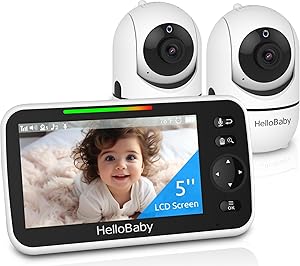
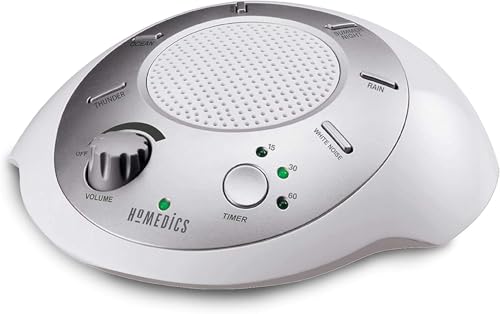
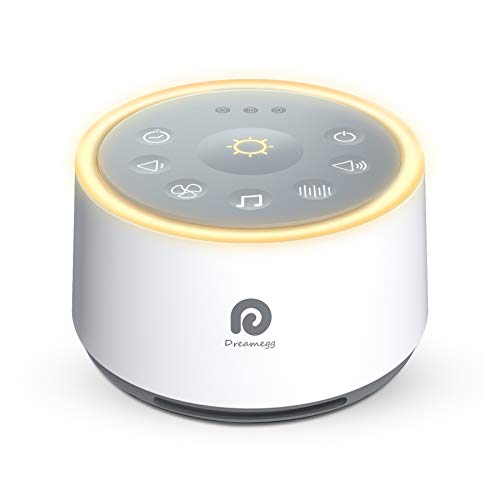
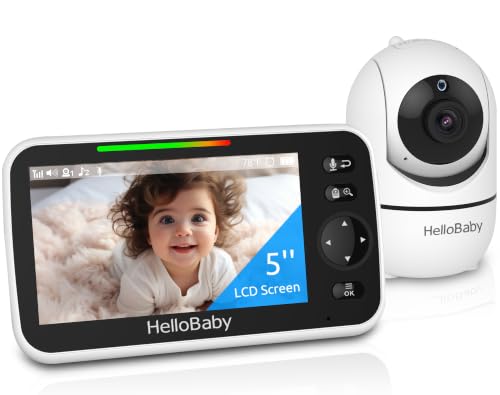
Your Baby's Safety Deserves More Than a Quick Amazon Search
Bringing a new baby home is one of life's most magical moments, but it also comes with a tidal wave of decisions. And few feel as weighty as choosing the device that will watch over your little one while they sleep.
A baby monitor isn't just gadget; it's your peace of mind, your second pair of eyes, your lifeline during those long nights and quiet naps. In 2026, the technology has evolved in ways that would have seemed like science fiction just a few years ago, from AI-powered breathing detection to crystal-clear 4K night vision.
The best baby monitor buying guide for your situation depends on how you plan to use it and where.
This guide will walk you through everything you need to know to find the perfect monitor for your family, without the marketing fluff.
Quick Stats Every Parent Should Know
> 94% of parents say a baby monitor reduces nighttime anxiety > > 3.2 hours average daily monitor use in the first year > > 78% of new monitors in 2026 now include smart features like sleep tracking > > $45 to $450 is the typical price range for quality monitors
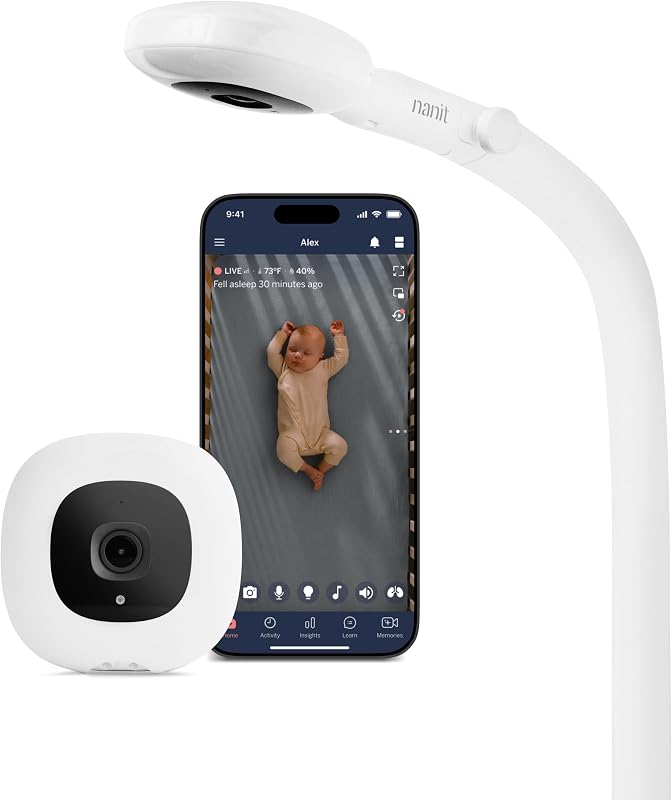
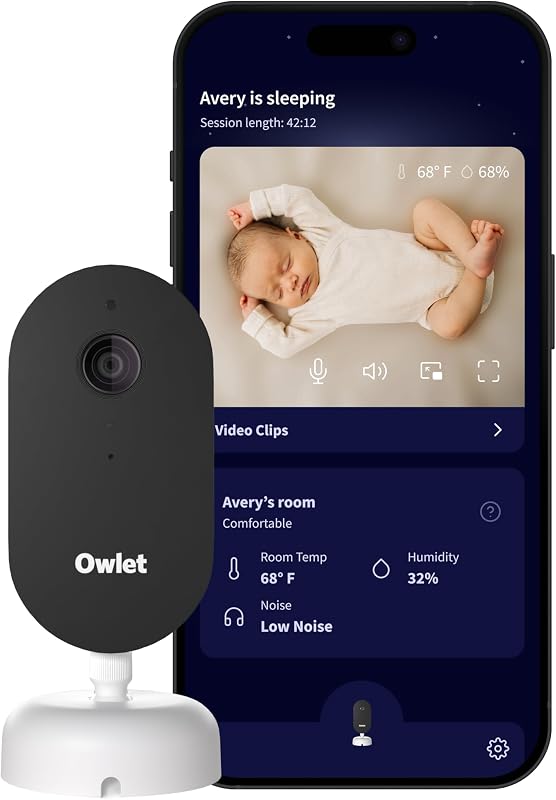
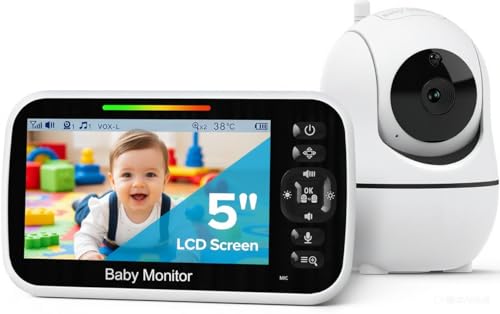
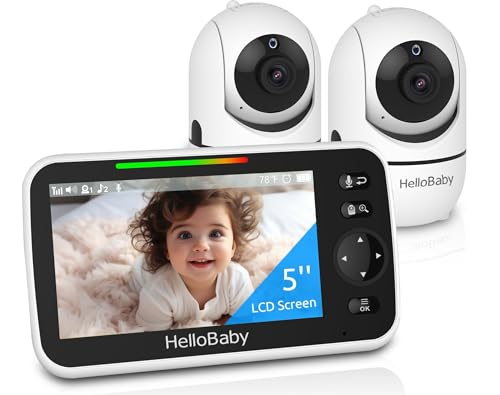
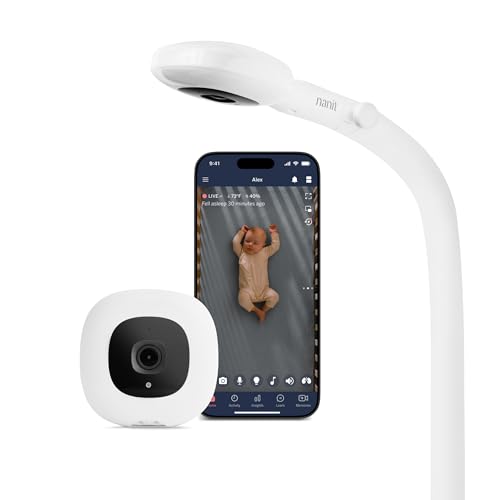
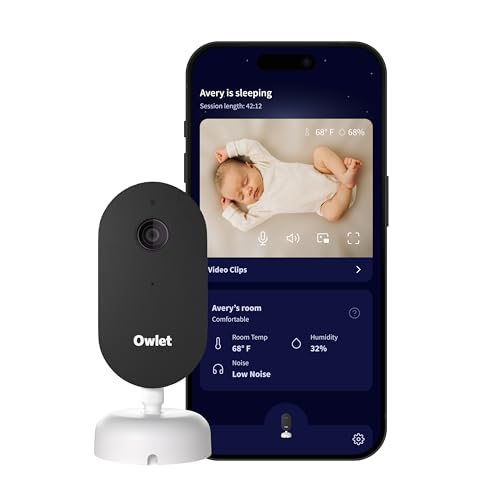
Featured recommendations from our review database — direct Amazon links below.
The Three Main Types of Baby Monitors
Before you fall in love with features, you need to understand the foundation. Every monitor on the market today falls into one of three categories, and each has its own personality.
1. Audio-Only Monitors
The minimalists of the monitor world. These devices focus on one thing: clear, reliable sound. They're affordable, simple, and surprisingly effective for parents who don't need visual confirmation.
Best for: Budget-conscious families, small apartments, parents who prefer simplicity
Price range: $25 to $80
2. Video Monitors with Dedicated Parent Units
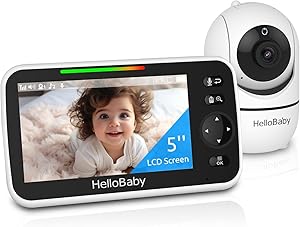
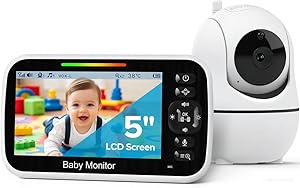
The sweet spot for most families. These come with their own handheld screen, meaning no Wi-Fi, no apps, no hacking concerns. Just point, power on, and watch.
Best for: Parents who want reliability without smartphone dependence
Price range: $100 to $300
3. Smart Wi-Fi Monitors
The tech enthusiast's dream. Stream to your phone from anywhere in the world, get AI alerts for movement and sound, integrate with smart home systems, and track sleep patterns.
Best for: Tech-savvy parents, working families, those who travel often
Price range: $150 to $450
Watch: A Pediatric Sleep Expert's Take on Modern Baby Monitors
The 12 Features That Actually Matter in 2026
Forget the marketing buzzwords. After analyzing dozens of models and listening to thousands of parents, these are the features that genuinely make a difference.
Video Quality That Matches Real Life
Look for 1080p HD minimum, with 2K or 4K becoming the new standard. You want to see the gentle rise and fall of your baby's chest, not a pixelated blur.
Night Vision Done Right
The best modern monitors use invisible infrared LEDs that don't disturb sleeping babies but deliver crisp, clear images even in pitch darkness. Color night vision is the newest frontier and it's stunning.
Two-Way Audio with Crystal Clarity
Your soothing voice can sometimes calm a fussy baby before you even reach the nursery. Make sure the speaker is clear on both ends.
Pan, Tilt, and Zoom
Babies move. Camera mounts that allow remote panning, tilting, and at least 4x zoom let you check on every corner of the crib without leaving your bed.
Reliable Range or Strong Wi-Fi
For dedicated units, look for at least 1,000 feet of range. For Wi-Fi monitors, prioritize dual-band 5GHz support for less interference.
Temperature and Humidity Sensors
Nurseries should stay between 68 and 72 degrees Fahrenheit. Built-in environmental sensors take the guesswork out.
Lullabies and Soothing Sounds
Built-in white noise, classical music, and customizable playlists can be lifesavers during sleep regressions.
Encrypted, Secure Connections
Non-negotiable in 2026. Look for end-to-end encryption and two-factor authentication on any Wi-Fi enabled monitor.
Long Battery Life
Parent units should last at least 8 hours on a single charge. Some 2026 models now offer 24+ hour battery life.
Multi-Camera Support
Planning for baby number two or have an older child who still needs monitoring? Make sure your system supports adding cameras down the road.
Sleep Analytics (Optional but Lovely)
Newer monitors track sleep patterns, total rest time, and wake-ups. Helpful for spotting patterns, but not essential.
Wearable Health Tracking
Socks and clip-on devices that monitor heart rate and oxygen levels are increasingly popular. Discuss with your pediatrician before relying on these.
Expert Tip: The 'Three Room Test'
> Before committing to any monitor, ask yourself: Will this work clearly in the nursery, from your bedroom, and from the farthest room in your home? If a monitor can't reliably perform in all three locations, it's not the right one for you.
Wi-Fi vs Non-Wi-Fi: The Great Debate
This is the question that divides parent forums everywhere. Here's the honest truth.
Wi-Fi monitors offer:
- Remote viewing from anywhere
- Integration with phones, tablets, and smart speakers
- Cloud recording and playback
- AI-powered alerts
- Zero hacking risk
- No subscription fees
- Works during internet outages
- Simpler setup and operation
Watch: Setting Up Your Baby Monitor for Maximum Safety
Red Flags to Avoid When Shopping
Not every monitor deserves your hard-earned money. Watch out for these warning signs.
- Mandatory subscriptions for basic features you'd expect to be included
- No clear privacy policy or vague data collection language
- Default passwords that can't be changed
- Outdated 2.4GHz only Wi-Fi prone to interference
- Excessive marketing claims about preventing SIDS (no monitor can do this)
- Poor customer support or non-existent warranties
Safety First: What Baby Monitors Cannot Do
Let's be clear about something important. No baby monitor, no matter how advanced, can prevent SIDS or replace safe sleep practices. The American Academy of Pediatrics still recommends:
- Placing babies on their backs to sleep
- Using a firm, flat sleep surface
- Keeping the crib free of pillows, blankets, and toys
- Room-sharing without bed-sharing for the first 6 months
Our Recommended Budget Breakdown
Under $100: Audio Excellence
Perfect for new parents who want reliable sound monitoring without the bells and whistles.$100 to $200: The Family Sweet Spot
 Quality video monitors with dedicated parent units, two-way audio, and excellent night vision.
$200 to $350: Premium Smart Features
 Wi-Fi connectivity, AI alerts, multi-camera support, and stunning video quality.
$350 and Up: Luxury and Health Tracking
Wearable sensors, breathing detection, premium materials, and white-glove customer service.The Final Word
Choosing a baby monitor isn't really about technology. It's about giving yourself permission to rest, to shower, to make dinner, to feel like a person again, knowing that you'll hear or see your baby the moment they need you.
Whatever you choose, trust your instincts. You know your family, your home, and your needs better than any reviewer ever could. The best monitor is the one that helps you sleep a little more soundly tonight.
Sweet dreams, parents. You've got this.
Related Reviews
- Baby Monitor Budget Guide: How Much Should You Really Spend?
- Common Baby Monitor Mistakes to Avoid: A Parent's Guide
- How to Choose the Right Baby Monitor: A Parent's Buying Guide
- Smart Nursery Setup Guide: Essential Tech Features Every Parent Needs
- How Long Should You Use a Baby Monitor? Age Guide and Tips
Key Takeaways
- Choosing the right baby monitor buying guide means matching the key features to your specific needs and budget
- Read real customer reviews and check the return policy before you commit
- Also covers: how to choose a baby monitor
- Also covers: baby monitor features to look for
- Also covers: what to look for in a baby monitor
- Compare value across models — the priciest option is not always the best fit
